
Connect with us

Business

PedroVazPaulo: The Definitive Guide to Executive Coaching and Strategic Business Consulting for 2026


Published

on

pedrovazpaulo

The Definitive Guide to Executive Coaching and Strategic Business Consulting for 2026
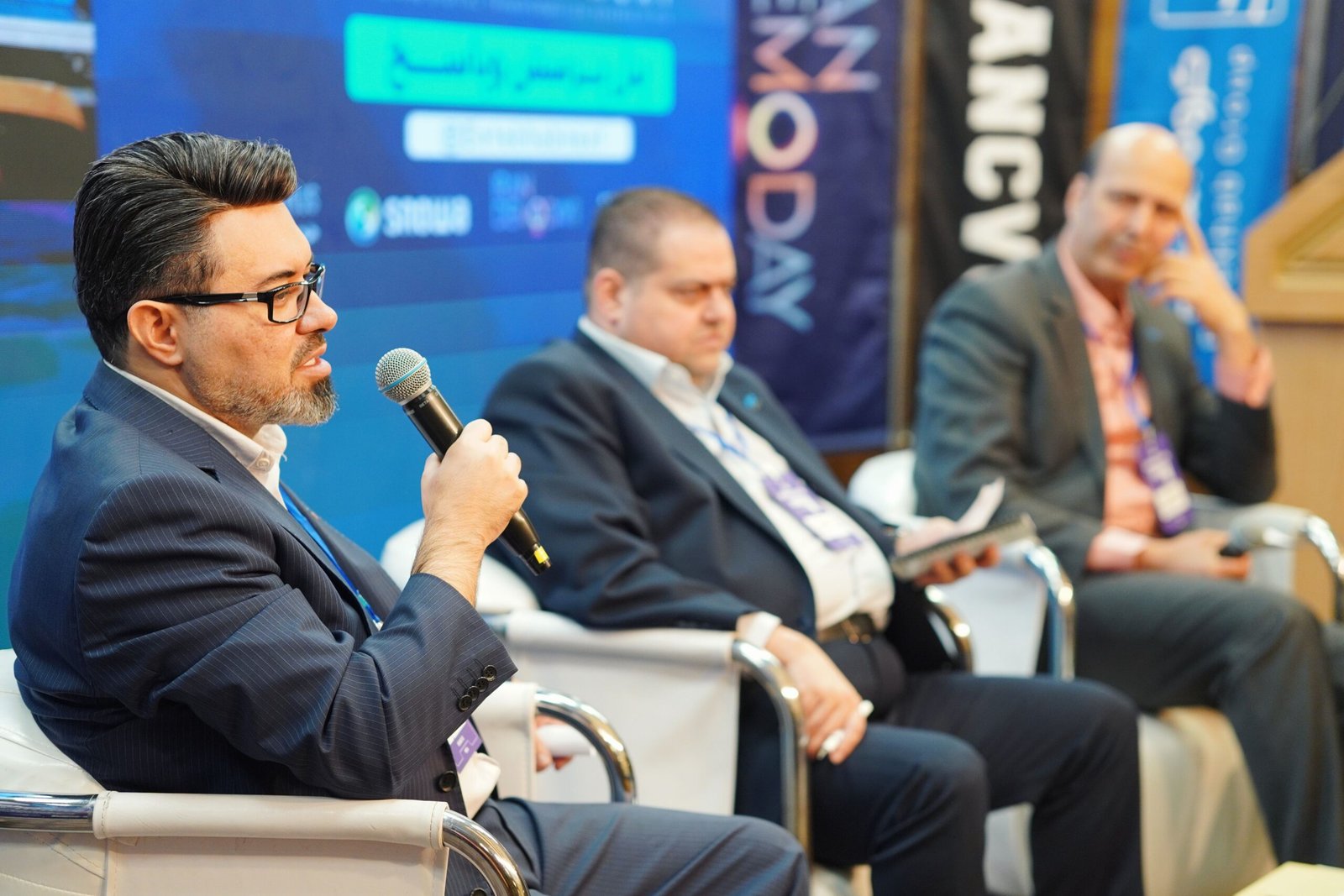
In an era of unprecedented market volatility, digital disruption, and intense global competition, the margin for error in business leadership has never been slimmer. Leaders are no longer judged solely on their ability to maintain the status quo; they are evaluated on their capacity to anticipate change, inspire high-performing teams, and execute transformative strategies that drive sustainable growth. This is the complex, high-stakes environment where PedroVazPaulo emerges not merely as a consulting firm, but as a strategic partner dedicated to redefining leadership excellence and business performance. With a powerful combination of deep psychological insight, sharp business acumen, and a global perspective, PedroVazPaulo has established a distinguished reputation for delivering measurable, real-world results for executives and organizations worldwide. This comprehensive article explores the full spectrum of PedroVazPaulo‘s services, from its groundbreaking executive coaching methodologies and personalized business consulting frameworks to its pivotal role in driving digital transformation. We will dissect the philosophy, the process, and the proven impact of this influential firm, offering a definitive guide for any leader ready to unlock their full potential and future-proof their organization.

Who is Pedro Vaz Paulo

To truly understand the impact of the firm, one must first understand the visionary behind it. Pedro Vaz Paulo is a seasoned business consultant and executive coach with over 15 years of international experience transforming leaders and organizations across a diverse range of industries, including finance, technology, healthcare, and manufacturing . His unique approach is rooted in a formidable educational background, which includes a degree in Business Administration from the prestigious University of São Paulo and a master’s in Business Strategy from the London School of Economics, one of the world’s leading institutions for social sciences and business . This academic rigor provides a solid theoretical foundation, but it is the synthesis of this knowledge with extensive, hands-on experience that sets him apart. Pedro Vaz Paulo is renowned for combining empathy, emotional intelligence, and sharp strategic thinking to break down complex business challenges and unlock authentic leadership potential . Operating out of Portugal, his influence is truly global, having coached hundreds of senior executives, entrepreneurs, and high-potential teams, positioning him as a trusted guide for those navigating the intricate dynamics of modern leadership and organizational strategy .

The Core of PedroVazPaulo: How Consulting and Coaching Work Together

While many firms offer either business consulting or executive coaching, PedroVazPaulo excels by integrating these two disciplines into a cohesive, holistic framework for success. This dual approach recognizes that an organization cannot achieve its full strategic potential without strong, capable leadership, and equally, that a leader’s personal growth is most impactful when aligned with tangible business objectives . At its core, the firm’s methodology serves as a powerful engine for personal and professional growth, designed to bring purpose, clarity, and confidence to the forefront of any career . The journey typically begins with a detailed assessment phase, where consultants work closely with clients to understand their specific goals, challenges, and organizational context . This is not a one-size-fits-all engagement; the emphasis is on personalization, ensuring that every strategy is tailored to the unique market realities, culture, and aspirations of the client . By connecting individual leadership development with broader organizational goals, PedroVazPaulo ensures that leadership development is not an abstract exercise but a direct driver of business success, ultimately cultivating a culture of growth that permeates every level of the company .

The Executive Coaching Program: Tailored Tiers for Leadership Mastery

PedroVazPaulo‘s Executive Coaching Program is a cornerstone of its service offering, meticulously designed to meet leaders at their current stage of development and guide them toward their highest potential . The program is structured to provide a clear pathway for growth, offering distinct tiers that allow leaders to progress at their own pace while receiving targeted support.

Tier 1: Building the Foundation (3 Months)

This initial phase is ideal for new leaders or those seeking to solidify their core leadership competencies. Over three months, the coaching focuses on the fundamental pillars of effective management. Clients work on improving communication abilities to ensure clarity and impact, develop essential emotional intelligence to build stronger relationships, and master the delicate art of delegation to empower their teams . During this foundational phase, comprehensive leadership assessments are conducted to provide personalized feedback, allowing the client and coach to co-create a customized leadership development plan that addresses specific requirements and goals .

Tier 2: Mastering the Art (6 Months)

The second phase of the program propels leaders into higher-level strategic thinking. Spanning six months, this tier is designed to expand a leader’s influence, foster a coaching mindset within their team, and sharpen their decision-making capabilities . Here, leaders delve into different leadership styles, learning when to adapt their approach for maximum effectiveness. A key focus is on cultivating a coaching mindset, enabling leaders to develop and motivate others, thereby multiplying their impact across the organization. This is the stage where theoretical understanding is transformed into practical, high-impact leadership .

Tier 3: Executive Excellence (9 Months + Ongoing Support)

Designed for seasoned executives, this tier focuses on mastering the complexities of organizational leadership. The curriculum includes advanced modules on vision development and articulation, change management strategies, and navigating complex business landscapes . A unique feature of this level is the inclusion of 360-degree leadership assessments, offering a holistic view of the leader’s impact from peers, subordinates, and supervisors . The most successful leaders often credit their sustained achievement to continuous development, which is why this tier includes optional ongoing coaching retainers and exclusive mastermind sessions that provide invaluable peer-to-peer learning and knowledge sharing .

Business Consulting Services: Driving Strategy and Digital Transformation

In the realm of business strategy, PedroVazPaulo acts as a catalyst for profound organizational change. The firm offers high-level business consulting services designed to solve complex problems, optimize operational efficiency, and drive strategic growth . A key component of their consulting prowess lies in spearheading digital transformation, an area where many companies struggle to move beyond surface-level modernization . PedroVazPaulo takes a technology-first approach, integrating AI-powered analytics for smarter decision-making, implementing ERP and CRM modernization to improve efficiency, and deploying robust cybersecurity strategies to protect critical assets in a hostile digital landscape . The firm’s consulting team does more than just create reports; they are deeply involved in the implementation phase, ensuring that strategic plans evolve into measurable results and new capabilities that enhance the client’s competitive advantage . By treating technology as a growth enabler, PedroVazPaulo helps businesses unlock new revenue streams and future-proof their operations .

The Onboarding Process and Success Metrics

A commitment to structure and transparency defines the client experience with PedroVazPaulo Consulting. The onboarding process is a meticulously designed, 2 to 4 week phase that lays the foundation for a productive and transparent partnership . It begins with an initial assessment call to clarify goals and challenges, followed by a deep-dive business diagnostic that dissects processes, resource allocation, and pain points. The process culminates in a strategic roadmapping session where short-term and long-term objectives, along with key performance indicators (KPIs), are co-created . This rigorous approach ensures that both the consulting and client teams are aligned from the very start. From day one, PedroVazPaulo emphasizes establishing clear, measurable success metrics to validate the value of the service delivered. These metrics are categorized into operational efficiency (cost reduction, optimized workflows), financial performance (improved ROI, revenue margins), and customer engagement (NPS scores, retention rates) . Through regular checkpoints and agile methodologies, the firm ensures that strategies remain relevant and effective, tracking real-world performance and adjusting tactics when necessary to ensure targets are met .

The Human Element: Why Emotional Intelligence and Personalized Attention Matter

What truly distinguishes PedroVazPaulo from other consulting firms is its unwavering recognition of the “human element” in business success. While strategy and technology are critical, the firm understands that execution depends entirely on people . This philosophy is best embodied in the one-on-one coaching sessions, which provide a safe space for leaders to explore vulnerabilities, address difficult topics, and receive direct, actionable feedback . The emphasis on emotional intelligence is woven throughout the coaching curriculum, helping leaders develop a deeper understanding of themselves and others . This focus on self-awareness is a key driver of improved team dynamics and employee engagement, as leaders who are attuned to their own emotions and those of their team members are better equipped to foster a positive and productive work environment . The firm commits to long-term partnerships, not just transactional projects, offering continuous support to ensure sustainable behavior change and lasting success . Clients consistently report significant improvements not only in their performance but also in their confidence and overall well-being.

Frequently Asked Questions (FAQ)

Q1: What specific services does PedroVazPaulo Consulting offer?

PedroVazPaulo offers a comprehensive suite of services centered on business consulting, executive coaching, and leadership development. The business consulting arm provides strategic planning, digital transformation, process optimization, and IT consulting. The executive coaching program features three tiers of personalized development, focusing on leadership skills, emotional intelligence, and strategic thinking .

Q2: Who is PedroVazPaulo’s ideal client?

The firm serves a diverse clientele across various sectors, including finance, healthcare, technology, manufacturing, and education . Their clients range from startup founders and new managers to mid-level managers and senior executives in Fortune 500 companies. Their personalized approach ensures they can adapt to the unique needs of businesses of any size, from local enterprises to international corporations .

Q3: How does PedroVazPaulo measure success?

Success is measured through clear, pre-defined Key Performance Indicators (KPIs) established during the initial onboarding process . These metrics are financial (e.g., improved ROI, revenue growth), operational (e.g., cost reduction, efficiency gains), and performance-based (e.g., employee engagement scores, Net Promoter Score). The firm uses a results-oriented framework to track progress and adjust strategies as needed .

Q4: What makes PedroVazPaulo’s coaching different from other executive coaching programs?

The coaching is highly personalized, avoiding a one-size-fits-all approach. It integrates deep psychological insight with sharp business strategy . The program is structured into clear tiers to meet leaders at their specific stage of development and includes one-on-one sessions for personalized attention. It strongly emphasizes emotional intelligence and tangible, real-world application rather than just theoretical learning .

Q5: What is the typical duration and structure of the onboarding process?

The onboarding process is a structured, 2 to 4 week phase. It includes an initial assessment call, a thorough business diagnostic, and a collaborative strategic roadmapping session to establish goals, KPIs, and a clear implementation plan. This process is crucial for ensuring alignment and transparency from the start .

Q6: Is PedroVazPaulo a global firm, and can they work with remote teams?

Yes, the firm serves clients globally . While based in Portugal, they offer flexible engagement models that can be conducted in-person, remotely, or in a hybrid format. Their coaching and consulting services are designed to be effective across different geographic and cultural contexts, utilizing secure digital collaboration tools .

Conclusion: Elevating Leadership and Shaping the Future of Business

In conclusion, PedroVazPaulo is far more than a traditional consulting firm; it is a transformative force for leaders and organizations committed to excellence in a demanding and rapidly changing world. The firm’s success lies in its powerful integration of strategic business consulting with deeply personalized executive coaching, creating a holistic framework that addresses both the organizational and human dimensions of success. By combining a rigorous, technology-first approach to digital transformation with a profound commitment to developing emotional intelligence and authentic leadership, PedroVazPaulo empowers its clients to not only navigate disruption but to thrive within it. The firm’s focus on data-driven insights, measurable outcomes, and a structured yet flexible engagement model ensures that clients are not left with abstract advice but are equipped with practical tools and clear roadmaps for sustainable growth. For any executive who is serious about unlocking their full potential, building a high-performing team, and future-proofing their organization, partnering with PedroVazPaulo is an investment in a more resilient, innovative, and successful future.

Continue Reading

Business

Fappenung Forum: A Complete Guide to the Discussion Forum for General Users

Published

on

Fappenung Forum

The Fappenung Forum is a discussion forum where people from different backgrounds can communicate, exchange ideas, ask questions, and participate in meaningful conversations. Online discussion forums continue to be valuable because they allow users to connect through shared interests, learn from one another, and build online communities. Whether someone wants advice, opinions, recommendations, or simply a place to chat, the Fappenung Forum aims to provide an accessible environment for general discussions.

Unlike niche communities that focus on a single topic, the Fappenung Forum encourages conversations across a wide variety of subjects. This makes it suitable for beginners, casual internet users, hobbyists, students, and anyone looking for an active online discussion space. As more users seek communities where they can freely interact and exchange ideas, forums remain one of the most reliable platforms for long-form conversations and organized discussions.

Best SEO Titles for Fappenung Forum

1. Fappenung Forum: The Complete Guide for New Users

Keyword: Fappenung Forum

2. What Is Fappenung Forum? Everything You Should Know

Keyword: What is Fappenung Forum

3. Fappenung Forum Features, Benefits, and Community Guide

Keyword: Fappenung Forum Features

4. Why People Join the Fappenung Forum for General Discussions

Keyword: Fappenung Forum Community

5. Fappenung Forum Explained: Topics, Membership, and User Experience

Keyword: Fappenung Forum Guide

What Is Fappenung Forum?

The Fappenung Forum is an online discussion platform where users can create conversations, reply to existing threads, and participate in community discussions. Forums have been popular for decades because they organize conversations into categories, making information easy to browse and search.

Members can visit the forum to ask questions, share experiences, discuss current events, provide recommendations, or simply interact with other users. The platform supports open communication while encouraging respectful participation among community members.

Main Purpose of Fappenung Forum

The primary purpose of the Fappenung Forum is to provide a space for general discussions. Instead of limiting conversations to one niche, the forum welcomes a broad range of topics, allowing users to discuss everyday life, hobbies, technology, entertainment, education, lifestyle, and many other subjects.

By offering an open discussion environment, the forum helps users connect with individuals who have similar interests while also introducing them to different viewpoints and ideas.

Features of Fappenung Forum

One of the biggest advantages of the Fappenung Forum is its organized discussion structure. Conversations are divided into categories and threads, making it easy for members to find topics that interest them. Users can browse discussions, search for existing answers, and contribute their own knowledge.

Additional features commonly associated with discussion forums include user profiles, discussion categories, search functionality, notifications, community moderation, and the ability to create new topics. These features improve navigation and encourage long-term participation.

Benefits of Joining Fappenung Forum

Participating in the Fappenung Forum offers several benefits. Users gain access to a community where they can ask questions, solve problems, exchange opinions, and learn from the experiences of others. The diversity of topics means there is usually something interesting for everyone.

Forums also help users improve communication skills, build online friendships, and discover new perspectives. Because discussions remain organized in threads, valuable information can often be found long after it was originally posted, making forums useful knowledge resources.

Popular Discussion Topics

Since the Fappenung Forum focuses on general discussions, users may find conversations covering numerous subjects, including:

  • Technology and gadgets
  • Entertainment and media
  • Lifestyle and hobbies
  • Education and learning
  • Gaming
  • Sports
  • Travel
  • Personal development
  • Current events
  • General questions and answers

This wide variety helps attract users with different interests and encourages active community participation.

Community Guidelines

A successful discussion forum depends on respectful communication. Members should treat others politely, avoid offensive language, stay on topic, and follow the forum’s rules. Constructive discussions create a positive environment where everyone feels comfortable sharing their opinions.

Reading existing discussions before creating new topics can also help reduce duplicate questions and improve the overall organization of the community.

Tips for New Members

New users should begin by exploring different discussion categories to understand the community. Completing a profile, introducing themselves when appropriate, and contributing thoughtful replies can help them become active members.

It is also helpful to search before asking a question, as another member may have already provided useful answers in an earlier discussion.

Why Discussion Forums Still Matter

Even with the popularity of social media platforms, discussion forums remain valuable because they organize information into searchable conversations. Instead of fast-moving posts disappearing in a timeline, forum discussions remain available for future visitors, making them excellent resources for learning and community interaction.

Forums encourage detailed conversations rather than short comments, allowing users to provide comprehensive answers and engage in meaningful exchanges.

Conclusion

The Fappenung Forum serves as a discussion forum designed for general users who want to participate in conversations on a wide range of topics. Its organized structure, community-focused environment, and flexibility make it suitable for anyone interested in asking questions, sharing experiences, and learning from others. Whether you are a first-time visitor or a regular participant, engaging respectfully and contributing valuable insights can help create a stronger and more welcoming online community.

Frequently Asked Questions (FAQs)

What is Fappenung Forum?

Fappenung Forum is a discussion forum where users participate in general discussions across multiple topics.

Who can join Fappenung Forum?

The forum is intended for general users interested in participating in online discussions.

What topics are discussed on Fappenung Forum?

Topics may include technology, entertainment, education, lifestyle, gaming, travel, sports, hobbies, and many other general subjects.

Is Fappenung Forum suitable for beginners?

Yes. Beginners can easily browse discussions, ask questions, and participate in community conversations.

Why are discussion forums still popular?

Discussion forums organize conversations into searchable threads, making information easier to find and preserving valuable discussions for future users.

How can users contribute positively?

Users can contribute by being respectful, sharing helpful information, following community guidelines, and participating in constructive discussions.


Continue Reading

Business

The End of the Line: Navigating Finality in Business, Life, and Language

Published

on

The End of the Line: Navigating Finality in Business, Life, and Language

Have you ever reached a point where continuing forward becomes impossible or counterproductive? Where every avenue has been explored, and the only rational choice is acceptance? This is the essence of “the end of the line”—a powerful metaphorical concept that resonates across business, personal development, and our everyday language. Whether you’re a sales professional recognizing when to stop selling and start closing, a business owner facing a strategic dead end, or simply someone navigating life’s inevitable conclusions, understanding how to identify and respond to these pivotal moments can transform outcomes. In this comprehensive guide, we’ll explore the rich meaning behind this phrase, examine how it applies in high-stakes environments like sales and strategy, and provide actionable insights for turning endings into new beginnings. The “end of the line” isn’t merely a destination—it’s a critical decision point that demands recognition, wisdom, and decisive action. By mastering the art of recognizing finality, you can avoid costly mistakes, preserve valuable relationships, and position yourself for whatever comes next.

Understanding “The End of the Line”: Definition and Origins

At its core, “the end of the line” represents a figurative point beyond which it is useless or impossible to proceed . This powerful expression has traveled from its literal origins in transportation—where railway lines physically terminated at stations or depots—into the broader realm of metaphor, where it now describes any situation that has reached its natural conclusion. When someone says they’ve reached the end of the line, they’re communicating that further effort would be wasted, that all viable options have been exhausted, or that circumstances have made continuation impossible.

The beauty of this phrase lies in its versatility. In personal contexts, it might describe the end of a relationship that has run its course, a career path that no longer offers growth, or a challenging life chapter that is finally closing. In business, it might signal a project that isn’t delivering results, a strategy that consistently underperforms, or a market that has shifted beyond reach. The phrase carries both weight and finality, and those who can recognize when they’ve truly reached this point possess a valuable form of practical wisdom.

The Parallel Concept: The “Buying Line” in Sales

In the high-stakes world of sales, reaching the end of the line takes on a fascinating and somewhat counterintuitive dimension. Experienced sales professionals understand a concept known as the “buying line”—the threshold at which a prospect has mentally sold themselves on a product and is ready to make a decision . This moment represents a critical juncture where the sales process reaches its own end of the line, but in a positive sense—it’s the point where continued selling becomes detrimental.

Consider the rollercoaster analogy: what goes up must eventually come back down, and often faster than it climbed . When a prospect has crossed the buying line, they are at the peak of their enthusiasm and conviction. The salesperson’s job at this point is not to continue presenting features, sharing benefits, or demonstrating capabilities. Instead, they must recognize that they’ve reached the end of the sales line and pivot toward closing. Unfortunately, many sales executives don’t think about their process in this manner. They end up over-demoing, sharing every single feature and benefit, and slowly watching their prospects’ eyes glaze over from information overload before wondering what happened .

The lesson here is profound: sometimes the “end of the line” in a sales context means recognizing that you have done enough—that the decision has been made internally and all that remains is to ask for the commitment. Continuing to sell after the buying line has been crossed isn’t just ineffective; it actively undermines the sale by introducing doubt, confusion, and fatigue. The next time you have a prospect who is genuinely engaged and enthusiastic, pause and ask yourself where they fall on the buying rollercoaster. If they’re over the line and ready to buy, stop selling, ask a pre-close question, and start talking about next steps .

The End of the Line as a Strategic Decision Point

Beyond its application in sales, reaching the end of the line represents a strategic decision point that leaders, entrepreneurs, and individuals face regularly. This could be the moment when a business initiative has failed to gain traction, when a partnership has become more costly than beneficial, or when a market opportunity has closed permanently. Recognizing these moments requires a combination of data-driven analysis and intuitive awareness that many people struggle to develop.

One of the greatest challenges in identifying the end of the line is the human tendency toward optimism and persistence. We are often taught that perseverance is a virtue, that winners never quit, and that success is just around the corner. While these sentiments can be motivating in many contexts, they become dangerous when they blind us to reality. The end of the line demands the courage to acknowledge that further investment of time, energy, or resources would be wasted and that the wiser path is to accept the outcome and redirect efforts elsewhere.

This doesn’t mean abandoning commitments prematurely or giving up at the first sign of difficulty. Instead, it means developing the wisdom to distinguish between temporary setbacks and terminal obstacles, between challenges that can be overcome and situations that have genuinely reached their conclusion. The end of the line is not a judgment of failure; it is an honest assessment of reality that enables better decision-making going forward.

Recognizing the Signs That You’ve Reached the End of the Line

How can you tell when you’ve genuinely reached the end of the line versus when you’re simply facing a difficult stretch that requires more effort? While every situation is unique, several signs suggest that you may be confronting finality rather than temporary adversity.

First, consider the trajectory of your efforts over time. Are you seeing any improvement, even incremental? If you’ve been working on a problem for an extended period and the situation has remained stagnant or has deteriorated despite your best efforts, this is a strong indicator that you may be approaching the end of the line. Second, examine external factors that may be beyond your control. Market conditions change, technologies advance, and circumstances shift in ways that can render your efforts irrelevant. Recognizing that forces outside your influence have made continuation impossible is a key component of identifying the end of the line.

Third, pay attention to feedback from trusted advisors, mentors, or objective observers. Sometimes those who are less emotionally invested in an outcome can see more clearly when it’s time to move on. If multiple people whose judgment you respect are suggesting that you consider an alternative path, it may be worth heeding their counsel. Finally, trust your instincts. There is often a visceral sense when something has truly reached its conclusion—a feeling of completion, finality, or even relief at the prospect of letting go.

Crafting Content That Resonates at the End of the Line

For content creators and marketers, understanding the concept of the end of the line offers valuable insights into how to craft articles that rank well and engage readers effectively. Modern SEO content must balance the need for comprehensiveness with the reality of how people actually consume information online. According to publishing guidelines from major industry players, online readers are skimmers who will quickly exit a blog post if it’s written like a novel . This means that even as we explore weighty topics like finality and decision-making, we must structure our content for accessibility.

Effective content creation requires moving beyond the traditional paragraph structures of academic writing. Guidelines suggest leaving behind the six-to-eight-line paragraphs and embracing formatting choices that help bring the reader’s eye down the page—including one-line paragraphs, bold text, and italics . These techniques aren’t just cosmetic; they help readers focus on the most important information and ensure that your content is actually read and understood.

When it comes to article titles specifically, the hook-line method offers a proven approach. The best titles in Google include specific features: a click-through-rate booster such as a number or the current year, logical structure that makes sense at a glance, strategic keyword placement, appropriate length to avoid truncation in search results, and a clear benefit for the reader . The opening line then must satisfy search intent while being engaging and easy to understand, typically running between fifty and one hundred fifty words . By following these principles, you ensure that your content not only ranks well but also resonates with readers who are seeking guidance on navigating their own moments of finality.

The Philosophy of Endings: Embracing What Comes After

Perhaps the most profound aspect of the end of the line is what it represents in our broader understanding of life and progress. Endings are rarely permanent destinations in any holistic sense. The end of one chapter is always the beginning of another, and the finality we experience in one arena often creates space for new opportunities to emerge in another. This philosophical perspective transforms the end of the line from something daunting into something potentially liberating.

Consider the sales professional who recognizes that continuing to sell after the buying line has been crossed is counterproductive . By stopping the sales process and moving to close, they aren’t ending the relationship with the prospect—they’re transitioning to a new phase of that relationship. Similarly, when a business initiative reaches its conclusion, the end of that effort opens up resources and attention that can be redirected toward more promising opportunities. The end of the line is rarely the end of the story; it’s simply the closing of a particular chapter.

This perspective requires a certain level of emotional maturity and strategic thinking that doesn’t come naturally to everyone. It means being willing to let go of investments—whether emotional, financial, or temporal—that are no longer serving you. It means having the courage to admit that a chosen path isn’t working and the wisdom to choose a different direction. And it means trusting that what comes next will be at least as valuable as what came before.

Conclusion

The concept of the end of the line runs far deeper than its surface meaning as a simple phrase. It represents a critical decision point that we all face in business, relationships, and personal development—those moments when continuing forward becomes impossible or counterproductive and we must recognize finality and act accordingly. Whether you’re a sales professional learning to identify the buying line before you undermine your own success, a business leader making strategic decisions about resource allocation, or an individual navigating life’s inevitable transitions, understanding how to recognize and respond to the end of the line is an essential skill.

Remember that the end of the line is not a judgment of failure or inadequacy. It is an honest assessment of reality that enables better decision-making. By developing the wisdom to recognize when you’ve reached this point, you can avoid wasting resources on futile efforts, make space for new opportunities, and position yourself for whatever comes next. The most successful individuals and organizations are those who can acknowledge endings gracefully and transition to new beginnings with confidence and clarity.

In the end, we all face countless moments where the line before us reaches its terminus. The question is not whether we will encounter these moments—we will—but how we will respond to them. Will we persist blindly, wasting energy and resources on hopeless causes? Or will we recognize the end of the line for what it is, accept it with grace, and turn our attention to the new paths that await? The choice, as always, is ours to make.

Frequently Asked Questions

What exactly does the phrase “end of the line” mean?
The “end of the line” is a figurative expression that describes a point beyond which it is useless or impossible to proceed . It represents a situation that has reached its natural conclusion, where further effort would be wasted and continuation is no longer viable. The phrase originated from literal railway terminology but has evolved into a powerful metaphor applicable across business, relationships, and personal development contexts.

How does the “end of the line” relate to sales and closing deals?
In sales, there’s a related concept called the “buying line”—the threshold at which a prospect has mentally sold themselves on a product and is ready to make a decision . Once a prospect crosses this line, continuing to sell becomes counterproductive. Sales professionals must recognize this moment and pivot toward closing, rather than over-demoing or sharing excessive information that could introduce doubt and fatigue. Continuing to sell after the buying line has been crossed is one of the most common mistakes in sales.

How can I tell if I’ve truly reached the end of the line in a situation?
Several signs suggest you may be confronting finality rather than temporary adversity. These include: no improvement despite extended effort, external factors beyond your control that render your efforts irrelevant, feedback from trusted advisors suggesting it’s time to move on, and a visceral sense of completion or finality. The end of the line requires honest assessment of reality rather than blind persistence.

What are some best practices for writing SEO content about complex topics?
Modern SEO content should use strategic formatting to engage online readers who tend to skim. This includes using one-line paragraphs, bold text, and italics to guide the eye down the page . Article titles should include a click-through-rate booster like a number or current year, logical structure, strategic keywords, appropriate length, and a clear benefit for the reader . The opening should satisfy search intent, include the keyword, be easy to understand, and transition fluidly into the rest of the content.

Why is recognizing the end of the line important for decision-making?
Recognizing the end of the line is crucial because it prevents wasted resources on futile efforts and enables better allocation of time, energy, and capital. While persistence is often praised as a virtue, it can become dangerous when it blinds us to reality. The end of the line demands the courage to acknowledge when further investment would be wasted and the wisdom to redirect efforts elsewhere. This skill is essential for effective leadership and personal development.

Continue Reading

Business

The Ultimate Guide to a Freeform Schedule: Unlocking Flexibility and Peak Productivity

Published

on

The Ultimate Guide to a Freeform Schedule: Unlocking Flexibility and Peak Productivity

In the modern world, the rigid, minute-by-minute schedule is increasingly becoming a relic of the past. For many, the traditional structure of a 9-to-5 workday, punctuated by back-to-back meetings and inflexible time slots, creates more stress than productivity. This is where the concept of a “freeform schedule” emerges as a powerful and liberating alternative. A freeform schedule is not about anarchy or a complete lack of structure; rather, it is about embracing flexibility, spontaneity, and a more organic approach to managing your time . It is a method that allows individuals to adapt their timetables to their natural rhythms, sudden shifts in priorities, and the unpredictable nature of daily life. This guide delves deep into the philosophy of freeform scheduling, exploring its benefits, its potential pitfalls, and how to master it to transform your productivity and well-being.

Understanding the Core Philosophy: What is a Freeform Schedule?

At its heart, a freeform schedule is an approach to planning that prioritizes adaptability over rigidity . Unlike a structured schedule where every hour is accounted for with a specific task, a freeform schedule operates on a more fluid framework. It often involves identifying key tasks and allocating broad time blocks for them, such as dedicating the morning to “deep work” or “creative projects” and the afternoon to “meetings and logistics,” without assigning specific end times. This method is distinct from a fixed schedule, which is typically governed by strict deadlines and non-negotiable commitments like classes, appointments, or mandatory meetings . The core advantage of freeform planning is its built-in resilience to the unexpected. When a colleague asks for an urgent review or a brilliant idea strikes that demands immediate attention, a freeform schedule can accommodate it without collapsing the entire day’s plan. It encourages a mindset that is less about following a predetermined path and more about navigating a dynamic landscape of priorities.

The Benefits of a Freeform Schedule: Flexibility and Spontaneity

The primary draw of a freeform schedule is the profound sense of flexibility it offers. By moving away from a rigid hourly structure, you gain the freedom to assign tasks to time blocks in a way that feels most natural and effective for you . This is particularly beneficial for individuals who do not thrive in highly regimented environments and prefer a more spontaneous work style. A flexible schedule allows you to capitalize on moments of high energy and focus by tackling the most demanding tasks when you are at your best, rather than when a pre-set calendar dictates. Furthermore, it significantly reduces the friction associated with starting the day, as you can jump straight into prioritization without the pressure of meticulously filling every minute of your calendar . This spontaneity can be a significant source of creativity and innovation, providing the unstructured “white space” necessary for ideas to percolate and long-term strategic thinking to occur . In this sense, a freeform schedule is less about “free time” and more about strategically using unstructured blocks of time to boost overall effectiveness .

The Pitfalls of Unstructured Time: Navigating the Challenges

However, without careful management, a freeform schedule can easily devolve into a chaotic period of aimlessness and lost momentum . The absence of external cues like meetings or deadlines can lead to decision fatigue, making it hard to choose what to focus on next. Priorities can blur, leading to a tendency to default to easy, low-value tasks like checking email or scrolling through social media, rather than tackling important project work . One of the most common psychological traps is the planning fallacy—subconsciously underestimating how long tasks will take to fit more into the day, resulting in an unrealistic and ultimately demotivating schedule . This is often compounded by a lack of task-time awareness; if you don’t have a solid grasp of how long your core activities truly require, you will consistently misestimate durations, leading to overruns and a cascade of uncompleted tasks. Consequently, a poorly managed freeform day can feel more stressful and less productive than a packed, rigid one.

Mastering the Freeform Schedule: Strategies for Success

To harness the power of a freeform schedule while avoiding its pitfalls, you must adopt a framework of intentionality. The key is not to abandon structure altogether, but to implement a “flexible framework” that guides your day without imprisoning it. This involves setting a loose but deliberate framework for your day, such as identifying broad focus areas for different times, for example, “morning: creative work,” “afternoon: logistics and errands,” and “evening: relaxation” . To maintain momentum, start each day by identifying one or two priority goals that, if completed, would make the day feel like a success . This simple act of prioritization ensures that you are always moving the needle on what matters most. Establishing micro-routines, small rituals like a 10-minute morning stretch or a post-lunch review of your task list, can create psychological anchors and “reset buttons” that prevent the day from feeling like one long, shapeless stretch . Finally, embrace timeboxing—assigning a specific, fixed duration to a task to prevent it from sprawling indefinitely . This adds a gentle accountability layer to the fluidity of a freeform schedule.

Key Elements for an Effective Freeform Schedule

Building an effective freeform schedule starts with distinguishing between fixed and flexible commitments. Start by blocking out all your non-negotiable appointments and obligations, such as classes, team meetings, and work shifts, as these form the hard boundaries of your day . Once these “fixed” anchors are in place, you can strategically assign your “flexible” tasks around them. A powerful technique is to schedule “anchor activities” throughout the day—enjoyable or essential tasks that you look forward to, like a mid-morning walk, a workout session, or a video call with a friend . These activities serve to naturally divide the day and provide built-in breaks that help recharge your mental energy. It is also crucial to leave some buffer time or “white space” in your framework for breaks, unexpected interruptions, and additional tasks that inevitably pop up. This prevents a minor interruption from derailing your entire day and acknowledges the reality that life is unpredictable. By incorporating these elements, you create a schedule that is both robust and responsive.

Freeform Schedule vs. Structured Schedule: A Comparative Analysis

The choice between a freeform and a structured schedule is a pivotal one, with each approach offering distinct advantages. To help clarify the differences, consider the following comparison:

FeatureFreeform ScheduleStructured Schedule
Core PrincipleFlexibility and adaptability Rigidity and predictability
Time AllocationBroad blocks or loose frameworks Specific time slots for every task (e.g., hourly) 
Approach to ChangeEasily accommodates new tasks and shifting priorities Disruption causes a cascade of rescheduling
Ideal UserThose comfortable with spontaneity and on-the-spot decisions Those who prefer clear direction and minimize decision fatigue
Key WeaknessSusceptible to biases and procrastination Can be inflexible and stressful when unexpected events occur

Choosing the right approach often depends on your personality, job demands, and the nature of your tasks. However, a blended approach is often the most effective, using a structured method for critical non-negotiable items and a freeform approach for the rest of your work.

Putting It All Together: A Sample Freeform Daily Rhythm

To visualize how a freeform schedule works in practice, consider this sample daily rhythm designed for a knowledge worker. It is a template for balance, not a rigid law:

  • Morning (Creativity & Deep Work): Dedicate the first 90-120 minutes of your day to your most important project before the flood of emails and messages begins . There is no set end time; the goal is to enter a state of flow and produce your highest-quality work.

  • Mid-Morning (Reactive Batch): Process emails, Slack messages, and other communications in a single, focused batch for 30-45 minutes . This prevents the constant context-switching that destroys focus.

  • Afternoon (Flexible & Logistics): Tackle the rest of your task list, schedule necessary meetings, and handle errands. This block is for administrative work, less cognitively demanding tasks, and catching up on other commitments . It is your fluid workspace where you can pivot as needed.

  • End of Day (Shutdown Ritual): A crucial 10-15 minute ritual to review what you accomplished, schedule any unfinished tasks for the next day, and clear your “capture inbox” . This provides mental closure and ensures you start tomorrow with a clear plan.

  • Weekly Planning (Weekly Review): Set aside 30-45 minutes at the end of the week to review your accomplishments, identify key objectives for the next week, and adjust your approach based on what worked and what didn’t .

This rhythm provides a protective structure around your deepest work while giving you the flexibility to handle the inevitable chaos of the workday.

Frequently Asked Questions (FAQ)

1. What is a freeform schedule?
A freeform schedule is a planning method that prioritizes flexibility and adaptability over a rigid, time-specific structure . It allows you to organize your day around broad goals and focus areas rather than strictly scheduled tasks.

2. How does a freeform schedule improve time management?
It helps by allowing you to work when you are most productive and to adapt quickly to unexpected tasks without derailing your entire day . It reduces the stress associated with a rigid calendar and fosters spontaneity and creativity.

3. What are the downsides of a freeform schedule?
If not managed carefully, it can lead to procrastination and a lack of direction. Without clear priorities, it’s easy to succumb to biases like underestimating task duration, leading to uncompleted work .

4. What is the difference between a freeform and a structured schedule?
A structured schedule is rigid and task-specific, often dividing the day into hourly blocks, whereas a freeform schedule is more fluid and focuses on broad time blocks and priorities .

5. How can I make a freeform schedule work for me?
Start by blocking out fixed commitments, then create a flexible framework with broad categories like “deep work” and “admin.” Use timeboxing to limit tasks, set daily priorities, and end your day with a brief shutdown ritual to plan for the next day .

Conclusion: Embracing a New Way of Working

The freeform schedule represents a mature and highly effective approach to time management for the modern world. It is a conscious departure from the tyranny of the clock, offering a pathway to a more balanced, creative, and productive work life. By recognizing the inherent value of flexibility and unstructured time, and by implementing a supportive framework of intentional habits, you can transform the way you work and live. The journey to mastering a freeform schedule is a personal one, requiring self-awareness and continuous iteration. But for those willing to embrace it, the rewards—increased focus, reduced stress, and a greater sense of control over your time—are immense. The goal is not to eliminate structure but to create a dynamic system that serves your priorities, not the other way around.

Continue Reading

Trending