
blog
Milking Shorthorn Cattle: Breed Characteristics, Milk Production, and Complete Care Guide

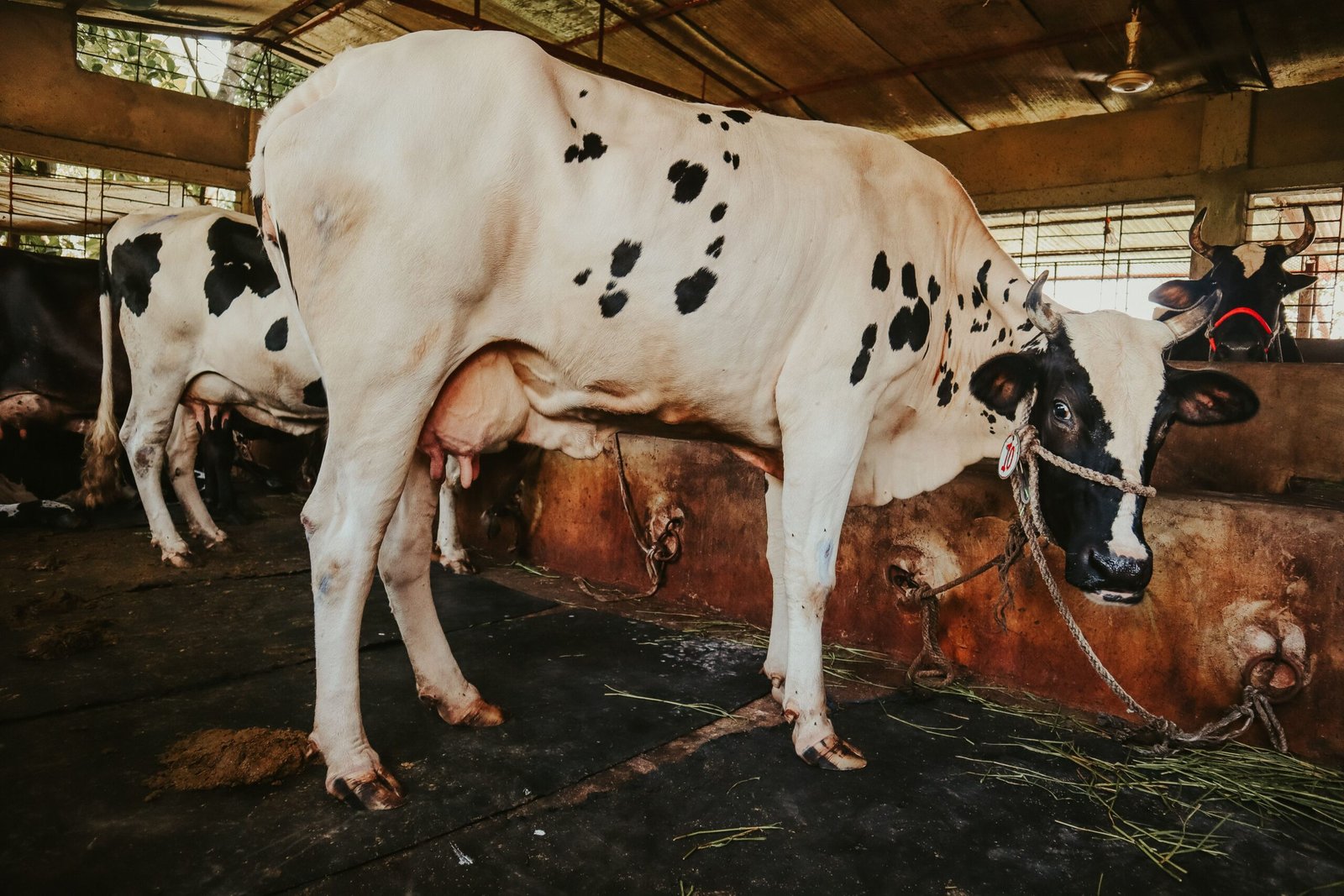
Milking Shorthorn cattle are a well-established dairy breed known for their attractive appearance, adaptable nature, and history of usefulness in agricultural production. Originating in England, these cattle have developed a reputation among dairy farmers for combining milk production with a strong, functional body. Their distinctive red, white, and roan coats make them easy to recognize, while their traditional dual-purpose background gives them a place in both dairy and beef-oriented farming systems. Whether someone is researching dairy cattle breeds, planning to establish a small dairy operation, or simply interested in livestock, understanding the characteristics of Milking Shorthorn cattle can help explain why this breed continues to attract attention.
Choosing the right cattle breed is an important decision for any livestock owner because different breeds have different nutritional requirements, production characteristics, temperaments, and management needs. Milking Shorthorn cattle may be suitable for farmers who value a versatile dairy animal and want to maintain a productive herd under a well-managed feeding and housing system. However, their performance depends on genetics, nutrition, climate, veterinary care, and the goals of the individual farm. This complete guide explores the history, physical characteristics, milk production, feeding requirements, breeding practices, health considerations, and practical benefits of Milking Shorthorn cattle, helping readers make informed decisions about this traditional dairy breed.
What Are Milking Shorthorn Cattle?
Milking Shorthorn cattle are a dairy breed developed from the Shorthorn cattle of northeastern England. The original Shorthorn population was valued for its usefulness in producing both milk and meat, but specialized breeding gradually established different types for different agricultural purposes. Milking Shorthorns became associated primarily with dairy production while retaining the strong body structure and versatility characteristic of their wider breed background. Today, the name refers to a recognized dairy cattle breed maintained by breeders who emphasize milk production, functional conformation, soundness, and other desirable characteristics.
The breed is particularly interesting because it represents a long tradition of selective livestock breeding. Farmers have worked over generations to develop cattle that can produce milk while maintaining the physical characteristics required for practical farm life. Modern Milking Shorthorns are used in a variety of dairy systems, including pasture-based operations and more intensive commercial herds. Their performance is not identical from one animal to another, since individual genetics and management conditions influence production, but the breed remains an important option for people interested in dairy cattle diversity and traditional agricultural livestock.
History and Origin of Milking Shorthorn Cattle
The history of Milking Shorthorn cattle begins in the northeastern counties of England, particularly the region historically associated with Durham, Northumberland, and Yorkshire. The broader Shorthorn breed developed through the selection and improvement of local cattle populations, with farmers seeking animals that could provide useful quantities of milk and meat. Early breeders placed considerable importance on body structure, productivity, and the ability to perform under the agricultural conditions of their time. As livestock breeding became more organized, the Shorthorn gained recognition as an influential cattle breed and spread beyond its original region.
Over time, different breeding priorities led to the development of more specialized Shorthorn populations. Some lines were selected mainly for beef production, while others retained a stronger emphasis on dairy performance. The Milking Shorthorn developed from the latter tradition and became recognized for its dairy characteristics. The breed eventually spread to other countries, including the United States, Canada, Australia, and New Zealand, where breeders continued to develop herds suited to local agricultural conditions. Its international history demonstrates how selective breeding can preserve traditional cattle characteristics while adapting animals to changing farming needs.
Physical Characteristics of Milking Shorthorn Cattle
One of the most recognizable features of Milking Shorthorn cattle is their coat color. Animals may be red, white, or a mixture of these colors, with roan being a particularly familiar pattern. Roan coats contain a mixture of colored and white hairs, creating a distinctive blended appearance. Individual cattle may vary considerably in the distribution of these colors, so there is no single coat pattern that describes every animal. Their short hair and generally well-balanced body structure contribute to their recognizable appearance among dairy cattle breeds.
Milking Shorthorns are medium-to-large framed cattle, although actual size varies according to sex, genetics, nutrition, and age. Mature cows are generally smaller than mature bulls, and the weight of individual animals can differ substantially between breeding lines and management systems. Their bodies are developed to support dairy production, with attention to the udder, legs, feet, and overall structural soundness. A well-conformed dairy cow should be able to move comfortably, maintain body condition, and support the demands of pregnancy and lactation. These physical characteristics are important not only for appearance but also for practical herd management and long-term productivity.
Temperament and Behavior
Milking Shorthorn cattle are often described as having a manageable and generally docile temperament when they are handled consistently and treated appropriately. Temperament is an important consideration for dairy farmers because cows must be moved, milked, examined, and cared for regularly. Animals that are accustomed to calm handling and predictable routines are often easier to manage than cattle that experience frequent stress or rough treatment. However, temperament is influenced by individual genetics, previous experiences, environment, and the way animals are handled, so no breed should be assumed to be completely gentle in every situation.
Good livestock handling practices are essential regardless of breed. Farmers should provide secure handling facilities, avoid sudden movements and unnecessary noise, and ensure that workers understand how to move cattle safely. Bulls require particular caution because even animals that appear calm can become dangerous, especially during breeding periods or when they feel threatened. Milking Shorthorn cattle can be a practical choice for farms that prioritize manageable dairy animals, but safe handling and appropriate facilities remain necessary for every herd.
Milk Production and Milk Quality
Milk production is one of the main reasons farmers choose Milking Shorthorn cattle. The breed has a dairy background and is capable of producing useful quantities of milk when supported by suitable genetics, nutrition, housing, and health management. However, milk yield can vary significantly between individual cows and herds. A cow’s age, stage of lactation, number of previous calvings, feed quality, milking routine, and overall health all influence how much milk she produces. For this reason, farmers should evaluate actual production records from the animals or breeding lines they are considering rather than relying on a single average figure.
Milk composition is another important part of dairy performance. Milking Shorthorn milk can provide useful milk solids, including fat and protein, which contribute to the nutritional and processing value of milk. These components are particularly relevant to farms that supply milk for cheese, yogurt, butter, and other dairy products. The exact fat and protein percentages vary among cows and across lactation, and they are also influenced by nutrition and genetics. Farmers interested in milk processing should examine milk testing records and consider the requirements of their intended market before choosing a herd.
The value of a dairy cow should not be measured by milk volume alone. Milk quality, reproductive performance, udder health, feed efficiency, longevity, and the cost of maintaining the animal also affect farm profitability. A cow that produces a consistent supply of good-quality milk while remaining healthy and reproducing efficiently may be more valuable to a particular farm than an animal with a higher peak yield but greater management demands. Milking Shorthorn cattle can therefore be evaluated as part of a broader dairy production strategy rather than judged solely by daily milk output.
Feeding and Nutrition Requirements
Proper nutrition is essential for maintaining the health and productivity of Milking Shorthorn cattle. Their feeding program should provide adequate energy, protein, fiber, minerals, and vitamins according to the animal’s age, body condition, pregnancy status, and stage of lactation. High-quality pasture and suitable forage can form an important part of the diet, while additional feeds may be needed to meet the nutritional demands of milk production. The correct balance depends on forage quality, expected production, local feed availability, and the condition of the individual cow.
Dairy cows have particularly important nutritional needs during early lactation, when milk production places substantial demands on their energy reserves. Farmers should monitor body condition and adjust feeding programs carefully to avoid excessive weight loss or unnecessary weight gain. Clean drinking water must always be available because water intake is closely related to milk production and general health. Mineral and vitamin supplementation may be appropriate where local feed resources do not provide sufficient nutrients, but supplements should be selected according to the animals’ needs rather than provided without consideration of the existing diet.
A practical feeding program should be developed with the help of a qualified livestock nutritionist or veterinarian when possible. Feed changes should be introduced gradually, and farmers should monitor appetite, milk production, manure consistency, and body condition. Good nutrition supports not only milk yield but also fertility, immunity, hoof health, and the ability of cows to recover after calving. For Milking Shorthorn cattle, as with other dairy breeds, consistent feeding and careful observation are central to maintaining a healthy and productive herd.
Housing and Daily Management
Milking Shorthorn cattle can be managed in different housing systems, including pasture-based systems, open-sided shelters, and more intensive dairy facilities. The most suitable system depends on climate, available land, herd size, farm resources, and the local production model. Whatever system is used, cattle need adequate space, clean resting areas, protection from severe weather, and reliable access to feed and water. Good ventilation is especially important in enclosed buildings because excessive heat, moisture, and poor air quality can affect comfort and health.
Pasture management can be useful for farms with suitable land and forage resources. Rotational grazing, where practical, allows farmers to manage pasture use and provide cattle with access to fresh forage while reducing excessive grazing pressure on individual areas. During periods of drought, winter weather, or poor pasture growth, supplementary forage may be necessary. Farmers should also provide shade and other appropriate measures to reduce heat stress in hot climates. The breed’s ability to perform in a particular environment depends on the management system and the individual animals, so local conditions should be considered before establishing a herd.
Daily management includes observing cattle for changes in appetite, movement, behavior, udder condition, and milk production. Milking routines should be consistent, and equipment should be cleaned and maintained properly. Bedding, feeding areas, and water troughs should be kept clean to reduce avoidable health risks. Good records of calving dates, milk production, veterinary treatments, and breeding activity can help farmers identify problems early and make better decisions about herd improvement.
Breeding and Reproduction
Breeding Milking Shorthorn cattle involves selecting animals with desirable dairy characteristics, sound structure, good health, and suitable reproductive performance. Farmers may consider milk production records, milk composition, udder quality, feet and legs, fertility, temperament, and longevity when selecting breeding animals. Pedigree information and genetic evaluations can also help identify animals that are likely to contribute useful traits to the next generation. The importance of each trait depends on the farm’s goals, so a herd intended for commercial milk production may have different selection priorities from a herd maintained for conservation or traditional breed improvement.
Artificial insemination is one option for dairy farmers who want to use genetics from selected bulls without maintaining a breeding bull on the farm. Natural service may also be used where appropriate facilities, experienced management, and suitable breeding animals are available. Both approaches require careful attention to reproductive health and safety. Farmers should work with a veterinarian or qualified breeding professional to establish a suitable breeding program, monitor pregnancy, and manage cows before and after calving.
Calving management is an important part of reproductive success. Pregnant cows need suitable nutrition, a clean and comfortable calving area, and observation as their due dates approach. Newborn calves should receive appropriate early care, including timely colostrum feeding, clean housing, and monitoring for signs of illness. Careful management of both cows and calves supports animal welfare and helps maintain the long-term productivity of the herd.
Health Care and Disease Prevention
A healthy Milking Shorthorn herd requires preventive veterinary care, appropriate nutrition, clean housing, and regular observation. Common dairy cattle health concerns can include mastitis, lameness, reproductive disorders, metabolic problems, and infectious diseases. These conditions are not unique to Milking Shorthorns, but they can affect the productivity and welfare of any dairy herd. Farmers should establish a herd health plan with a veterinarian that includes vaccination where appropriate, parasite control, biosecurity, and clear procedures for identifying and treating sick animals.
Udder health deserves particular attention because mastitis can reduce milk production, affect milk quality, and cause discomfort. Maintaining clean bedding, following hygienic milking procedures, and monitoring milk for unusual changes can help farmers identify potential problems. Hoof care is also important because lameness can interfere with feeding, movement, and reproductive performance. Regular inspection of feet and legs, suitable flooring, and prompt attention to injuries can help reduce the impact of mobility problems.
Biosecurity practices help protect cattle from the introduction and spread of infectious diseases. New animals should be evaluated carefully and managed according to veterinary recommendations before joining the main herd. Farm workers should use appropriate hygiene practices, and equipment should be cleaned when necessary. Any animal showing serious illness, unusual behavior, or a sudden decline in milk production should receive prompt assessment from a qualified veterinarian. Prevention and early intervention are generally more effective than waiting until health problems become severe.
Benefits of Raising Milking Shorthorn Cattle
One important benefit of Milking Shorthorn cattle is their versatile breed background. Their development from traditional dual-purpose Shorthorn cattle gives them a place in farming systems that value dairy production alongside useful body structure. Although modern Milking Shorthorns are primarily associated with milk production, their broader breed heritage can appeal to farmers interested in maintaining a versatile cattle population. This characteristic may be especially attractive to small farms and mixed agricultural operations where livestock are expected to contribute to more than one part of the farming business.
Another potential advantage is the breed’s distinctive appearance and established dairy identity. Milking Shorthorn cattle are recognizable, and their history can make them appealing to breed enthusiasts, agricultural educators, and farmers interested in maintaining livestock diversity. For some producers, maintaining a traditional breed is also a way to preserve valuable genetic resources and support the diversity of cattle populations. These interests can complement commercial goals, although farmers should still evaluate production records and economic considerations before purchasing animals.
The breed may also be suitable for farmers who want to compare different dairy genetics and develop a herd that matches their local conditions. Milking Shorthorns can be considered alongside other dairy breeds based on milk yield, milk composition, fertility, longevity, feed requirements, and management needs. The best choice is not necessarily the breed with the highest production potential, but the one that performs reliably within the farm’s available resources and market opportunities.
Challenges and Considerations
Although Milking Shorthorn cattle offer several potential advantages, they are not automatically the best choice for every dairy operation. Farms that require very high milk volumes may prefer to evaluate specialized high-production dairy genetics, while producers focused on a particular cheese market may place greater emphasis on milk composition. Actual performance depends on the individual animal and its breeding line, so farmers should avoid making decisions based only on general breed descriptions.
The cost of purchasing cattle is another important consideration. Prices can vary according to age, pedigree, pregnancy status, production records, health, location, and the reputation of the seller. Farmers should consider not only the initial purchase price but also the costs of transportation, housing, feed, veterinary care, breeding, and labor. Before buying animals, it is wise to inspect them carefully, review available health and production records, and obtain professional advice where needed.
Availability may also be a factor in some regions. Milking Shorthorn cattle may be less common than other dairy breeds in certain markets, which can affect the choice of breeding animals and access to specialized services. Farmers should investigate local breeders, veterinary support, feed resources, and milk marketing opportunities before committing to a herd. A realistic assessment of local conditions helps ensure that the breed can be managed successfully over the long term.
Milking Shorthorn Cattle Compared With Other Dairy Breeds
Milking Shorthorn cattle are often compared with Holstein, Jersey, and other dairy breeds. Holsteins are widely associated with high milk volume, while Jerseys are known for producing milk with relatively high concentrations of fat and protein. Milking Shorthorns occupy a different position in the dairy landscape, with a traditional dual-purpose background and a combination of dairy traits and functional body characteristics. These are broad breed tendencies, not guarantees about every cow.
A meaningful breed comparison should examine the actual needs of the farm. Producers should consider the amount of milk required, the value of milk components, the quality of available forage, the local climate, reproductive performance, and the cost of maintaining each type of animal. It is also important to compare reliable herd records rather than relying entirely on breed reputation. Individual genetics and management can produce substantial differences within the same breed.
For farmers interested in mixed farming or maintaining a traditional dairy breed, Milking Shorthorns may be worth evaluating. For operations that depend on specific production targets, the decision should be based on carefully reviewed performance data and farm economics. A balanced comparison helps ensure that breed selection supports the long-term objectives of the dairy business.
How to Choose and Buy Milking Shorthorn Cattle
Anyone planning to purchase Milking Shorthorn cattle should begin by defining the purpose of the purchase. A farmer buying a cow for milk production may need a different animal from someone purchasing a heifer for future breeding or a calf for herd development. The buyer should consider the animal’s age, reproductive status, health history, pedigree, production records, and suitability for the intended management system. Understanding these details helps reduce uncertainty and makes it easier to compare animals from different sellers.
A physical inspection is an important part of the buying process. The animal should be observed for sound movement, appropriate body condition, clear signs of general health, and any visible injuries or abnormalities. For dairy cows, the udder and teats should be examined carefully, and the buyer should ask about previous mastitis cases, calving history, and milk production. Veterinary examination and appropriate testing may be advisable, particularly when purchasing valuable breeding stock or introducing cattle into an established herd.
Buyers should also verify relevant identification, registration, and ownership documents where applicable. A reputable breeder should be willing to provide accurate information about the animal and answer reasonable questions about its management and history. Transport arrangements should be safe and suitable for the animal’s condition. By taking time to investigate the seller and the cattle, buyers can make more informed decisions and improve the likelihood of establishing a healthy, productive herd.
Conclusion
Milking Shorthorn cattle are a distinctive dairy breed with a rich agricultural history, recognizable coat colors, and a traditional background in both milk and meat production. Their modern role is primarily associated with dairy farming, where they can contribute useful milk production and valuable genetic diversity. Their performance depends on individual genetics, nutrition, health care, reproductive management, and the environment in which they are raised. Understanding these factors is essential for anyone considering the breed for a dairy operation or simply seeking reliable information about its characteristics.
For prospective cattle owners, the most important step is to evaluate Milking Shorthorn cattle according to the needs of the farm rather than relying only on general breed descriptions. Reviewing production records, inspecting animals, planning an appropriate feeding program, and consulting experienced livestock professionals can help support successful herd management. With suitable care and realistic expectations, Milking Shorthorn cattle can be a worthwhile option for farmers interested in a traditional and versatile dairy breed.
Frequently Asked Questions About Milking Shorthorn Cattle
1. What are Milking Shorthorn cattle known for?
Milking Shorthorn cattle are known for their dairy production, traditional dual-purpose background, and distinctive red, white, or roan coats. They are a recognized dairy breed with a long history of selective breeding.
2. Where did Milking Shorthorn cattle originate?
Milking Shorthorn cattle originated in northeastern England. They developed from the broader Shorthorn cattle population, which was historically valued for both milk and meat production.
3. What colors are Milking Shorthorn cattle?
Milking Shorthorn cattle can be red, white, or a combination of red and white. Roan is a familiar coat pattern in which white and colored hairs are mixed together.
4. How much milk does a Milking Shorthorn cow produce?
Milk production varies according to genetics, age, lactation stage, nutrition, health, and management. Farmers should review individual cow or herd production records to obtain a realistic estimate for their particular operation.
5. Is Milking Shorthorn milk suitable for cheese production?
Milking Shorthorn milk can be suitable for cheese production, depending on its fat and protein composition and the requirements of the cheese being made. Milk testing and processing trials can help determine whether a particular herd meets the needs of a dairy business.
6. Are Milking Shorthorn cattle good for beginners?
They may be suitable for beginners who have access to appropriate facilities, adequate feed, safe handling equipment, and veterinary support. However, all cattle require consistent care, and beginners should learn basic livestock management before purchasing animals.
7. Are Milking Shorthorn cattle good for pasture-based farming?
They can be managed in pasture-based systems where forage quality, water availability, shelter, and supplementary feeding are suitable. Successful grazing management depends on local climate, pasture conditions, and the nutritional needs of the cattle.
8. What should I feed Milking Shorthorn cattle?
Their diet should provide suitable forage, energy, protein, minerals, vitamins, and clean water. The feeding program should be adjusted for age, pregnancy, lactation, body condition, and milk production.
9. What is the difference between Milking Shorthorn and Holstein cattle?
Milking Shorthorns have a traditional dual-purpose background and are recognized for their distinctive red, white, and roan coats. Holsteins are widely associated with high milk volume. The most suitable breed depends on the farm’s production goals, resources, and market requirements.
10. Where can I buy Milking Shorthorn cattle?
Potential buyers can contact recognized breed associations, established breeders, and reputable livestock sales. Before purchasing, they should check health records, pedigree information, production history, and the animal’s suitability for their farming system.
11. How long do Milking Shorthorn cattle live?
Their lifespan varies according to genetics, health, nutrition, reproductive history, and management. There is no single lifespan that applies to every animal, and productive herd life may be shorter than total lifespan.
12. Are Milking Shorthorn cattle suitable for small farms?
They may be suitable for small farms that can provide adequate land or feed, suitable housing, reliable veterinary care, and an appropriate market for milk or dairy products. Farmers should evaluate the costs and expected production before investing in cattle.


Gina Carano is an American actress and former mixed martial artist whose career has crossed the worlds of professional fighting, television, and Hollywood action films. Before becoming widely recognized for her screen work, Carano established herself as one of the most prominent early stars of women’s mixed martial arts. Her fighting career included competition in EliteXC and Strikeforce, and she became particularly well known for her striking ability, athleticism, and crossover appeal. The UFC has described her as an important figure in the development and visibility of women’s MMA, while its historical coverage records her unbeaten run through her first seven professional MMA contests.
Carano later built a second career in entertainment, beginning with major action-film opportunities and eventually appearing in productions including Haywire, Fast & Furious 6, Deadpool, and The Mandalorian. Her background as a professional fighter gave her a distinctive advantage in physically demanding roles because she already possessed extensive combat-sports experience. Her career therefore provides an interesting example of an athlete moving successfully from competitive sport into mainstream entertainment.
Gina Carano’s Early Life and Background
Gina Joy Carano was born in Texas in 1982 and grew up in a family connected to professional sports. Her father, Glenn Carano, played professional football and was associated with the Dallas Cowboys. Carano eventually developed an interest in combat sports and began training in Muay Thai before moving into mixed martial arts. According to UFC’s historical biography, she developed a 12-1-1 Muay Thai record before making the transition to MMA.
Her early training played an important role in shaping the fighting style that later became associated with her professional career. Rather than entering MMA as an inexperienced athlete, she arrived with a substantial striking foundation and continued developing other areas of her game as she progressed. Her career demonstrated how combat-sports experience could translate into professional MMA and eventually into action-oriented acting.
Gina Carano’s MMA Career
Carano became one of the recognizable faces of women’s MMA during a period when female fighters were receiving considerably more mainstream attention. UFC’s retrospective coverage credits her with helping bring visibility to women’s mixed martial arts and notes that she defeated several notable opponents during her early professional run. She won her first seven professional MMA bouts before suffering her first defeat against Cris Cyborg in a 2009 Strikeforce championship bout.
The 2009 fight against Cris Cyborg became one of the defining moments of Carano’s fighting career. The bout was historically significant because it placed two elite female fighters in the main event of a major MMA event. UFC’s coverage describes the matchup as the first women’s main event in a major MMA show, demonstrating how women’s combat sports were gaining visibility during that era.
Carano subsequently moved toward acting, although she continued to discuss fighting and the possibility of returning to competition in interviews. UFC’s 2014 interview with Carano noted that she had transitioned into acting after her 2009 fight and discussed her experiences working in film and the possibility of returning to the sport.
Gina Carano’s Transition to Hollywood
Carano’s transition from MMA to acting was helped by the physical skills she had developed throughout her fighting career. Her first major film role came in Haywire, the 2011 action thriller directed by Steven Soderbergh. The movie gave Carano the opportunity to use her combat experience in a cinematic environment while working alongside established actors.
Her subsequent film career included appearances in Fast & Furious 6, In the Blood, Heist, Deadpool, and other projects. UFC’s coverage of her career specifically highlights Haywire, Fast & Furious 6, and In the Blood as important parts of her transition into Hollywood.
What distinguished Carano from many actors entering action movies was that her physical abilities were not simply the result of choreography training for a film. She had already spent years training and competing professionally. That experience helped establish her as an action performer whose screen presence could be connected directly to her athletic background.
Gina Carano and The Mandalorian
Another major stage of Carano’s entertainment career came with her role as Cara Dune in The Mandalorian. The character became one of her most recognizable television roles and connected Carano with the larger Star Wars audience. Her previous experience in combat sports and action films made the role a natural continuation of the type of physically demanding performances she had already developed.
Carano’s career in The Mandalorian also demonstrated how her public profile had expanded far beyond MMA. She had moved from being recognized primarily by combat-sports audiences to becoming a familiar name among viewers of major Hollywood and streaming productions.
Gina Carano’s Acting Career
Carano’s acting work has generally been associated with action-oriented productions, where her athletic background can contribute directly to her performances. Her UFC profile and interviews from the period emphasize the connection between her fighting experience and her work in movies. In a 2014 UFC interview, Carano explained that acting provided a different kind of challenge and discussed how roles such as In the Blood allowed audiences to see aspects of her performance beyond physical action.
Her filmography includes several well-known commercial productions, allowing her to work alongside major Hollywood performers. Fast & Furious 6 placed her within one of the industry’s largest action franchises, while Deadpool introduced her to another major comic-book movie audience. These projects helped establish her as a recognizable action performer independently of her earlier MMA career.
Why Gina Carano Became Famous
Gina Carano’s popularity came from a combination of athletic achievement, media exposure, and entertainment work. During the late 2000s, women’s MMA was growing in visibility, and Carano became one of its most recognizable personalities. UFC’s retrospective coverage describes her as a pioneering figure whose popularity helped bring additional attention to women’s MMA.
Her subsequent move into Hollywood broadened her audience even further. Instead of remaining known only as a former fighter, she developed a career encompassing movies and television. This combination of professional sport and entertainment remains one of the most distinctive aspects of her public career.
Gina Carano’s Legacy in Women’s MMA
Carano’s importance to MMA extends beyond her individual win-loss record. Her early professional career occurred during an important period in the development of women’s MMA, and her high-profile fights helped attract mainstream attention to female competitors. UFC’s historical material specifically describes her as a pioneer who helped establish a foundation for the women’s division that followed.
Her career also illustrates the growing relationship between combat sports and entertainment. Fighters have increasingly appeared in movies, television programs, commercials, and other forms of popular culture, but Carano was among the athletes who demonstrated particularly clearly how professional fighting could become a pathway into mainstream action entertainment.
Conclusion
Gina Carano’s career is notable because it spans two highly competitive industries. She first established herself as a professional Muay Thai and MMA athlete before becoming a recognizable Hollywood action performer. Her seven-fight unbeaten start in professional MMA, historic 2009 Strikeforce main event, and later roles in films and television helped make her one of the most recognizable crossover figures associated with women’s MMA.
For readers researching Gina Carano today, her story is better understood through the full arc of her career: her early combat-sports training, rise in MMA, transition into acting, major film appearances, and television work. Those elements explain why she has remained a recognizable figure in both combat sports and popular entertainment.
Frequently Asked Questions
Who is Gina Carano?
Gina Carano is an American actress and former professional mixed martial artist. She became prominent through women’s MMA before developing a career in Hollywood action films and television.
What was Gina Carano’s MMA record?
Carano finished her professional MMA career with a 7-1 record according to UFC’s historical coverage. Her only professional defeat came against Cris Cyborg in August 2009.
What movies has Gina Carano appeared in?
Her notable film credits include Haywire, Fast & Furious 6, In the Blood, Heist, and Deadpool.
Was Gina Carano a professional fighter before becoming an actress?
Yes. She began with Muay Thai and subsequently competed professionally in mixed martial arts before moving into acting.
What is Gina Carano best known for?
She is widely known for her pioneering role in women’s MMA and for her subsequent work as an action actress, including her role as Cara Dune in The Mandalorian.

Alexee Trevizo: Biography, Case, Background, Timeline, and Latest Legal Updates

Goonies Cast: Complete Guide to The Goonies Cast and Characters

Gina Carano Biography: MMA Career, Movies, and Life Story

LogicalShout: The Ultimate Guide to Data-Driven Digital Marketing, Tech Insights & Proven Growth Strategies

Joanna Sturm: The Historian Who Preserved the Legacy of Alice Roosevelt Longworth

93.3 Contest: Your Ultimate Guide to Winning Big on the Radio
 Tech3 months ago
LogicalShout: The Ultimate Guide to Data-Driven Digital Marketing, Tech Insights & Proven Growth Strategies
- News3 months ago
Joanna Sturm: The Historian Who Preserved the Legacy of Alice Roosevelt Longworth
- Business3 months ago
93.3 Contest: Your Ultimate Guide to Winning Big on the Radio
- Tech3 months ago
Pasonet: The Digital Phenomenon Shaping Modern Connectivity, Business, and Culture
- Business3 months ago
Wooflix: The Ultimate Guide to the Multi-Faceted Brand
- Business3 months ago
Afdah Shut Down: Is It Safe and Legal in 2026? Top Legal Alternatives
- Fashion3 months ago
Literoticatags: Your Ultimate Guide to Navigating Erotic Literature with Precision and Pleasure
- Crypto3 months ago
BFS Coin Complete Guide 2026: Price, Legitimacy, Tokenomics & Future Outlook