
Connect with us

Health

Can You Take Benadryl and NyQuil Together? Safety, Risks, Side Effects, and Expert Advice

Published

on

can you take benadryl and nyquil together

Understanding Benadryl

Benadryl is an over-the-counter antihistamine whose active ingredient is diphenhydramine. It is commonly used to treat seasonal allergies, itchy skin, hives, insect bites, and other allergic reactions. Because diphenhydramine easily crosses into the brain, it often causes significant drowsiness. That sleepy feeling is why some people mistakenly use Benadryl as a sleep aid, although experts generally do not recommend using it regularly for insomnia due to side effects and limited long-term benefits.

Besides relieving allergy symptoms, Benadryl can also help reduce nausea caused by motion sickness and may be used in certain emergency allergic reactions alongside other treatments. Even though it is available without a prescription, it is still a medication with important safety considerations. Side effects such as dry mouth, blurred vision, dizziness, constipation, and impaired coordination become more likely as the dose increases or when combined with other sedating medications.

Understanding NyQuil

NyQuil is designed to relieve nighttime cold and flu symptoms. Depending on the specific formulation, it may contain acetaminophen, dextromethorphan, doxylamine succinate, and sometimes other ingredients. The ingredient responsible for making most people sleepy is doxylamine, another first-generation antihistamine.

Because NyQuil already contains a sedating antihistamine, adding Benadryl means taking two medications that work in very similar ways. This overlap increases the likelihood of excessive sleepiness, slower reaction times, confusion, dry mouth, urinary retention, and impaired judgment. While many people assume that combining two sleep-inducing medications simply helps them rest better, the reality is that it may increase health risks without providing additional therapeutic benefit.

Can You Take Benadryl and NyQuil Together?

The short answer is generally no.

Healthcare professionals usually advise against taking Benadryl and NyQuil together because both contain sedating antihistamines. Their effects add together rather than replace each other, increasing the risk of excessive sedation and anticholinergic side effects. Drug interaction references classify this combination as one that requires caution due to the increased potential for dizziness, confusion, impaired coordination, and difficulty concentrating.

There are limited situations where a physician or pharmacist may recommend both medications, such as when doses are separated by several hours and the benefits outweigh the risks. These situations are individualized and should not be treated as general advice. Self-medicating by combining them simply to sleep better or relieve symptoms faster is not recommended.

Risks of Combining Benadryl and NyQuil

The biggest concern is additive sedation. When two medications that depress the central nervous system are taken together, their effects can become stronger than expected. Someone may become unusually sleepy, have poor balance, experience slowed thinking, or have delayed reaction times. These effects can make driving, operating machinery, or even walking safely much more dangerous.

Another concern is the overlap in antihistamine effects. First-generation antihistamines commonly produce what’s known as anticholinergic side effects, including:

RiskPossible Effect
Excessive drowsinessIncreased sleepiness and fatigue
DizzinessHigher fall risk
Dry mouthDifficulty swallowing and dehydration
Blurred visionTrouble focusing
ConfusionEspecially in older adults
Urinary retentionDifficulty emptying the bladder
Impaired coordinationIncreased accident risk

People who accidentally take both medications may not experience severe complications every time, but the possibility of excessive sedation makes the combination one that healthcare professionals generally discourage.

Who Should Never Mix These Medications?

Certain individuals face much higher risks from combining Benadryl and NyQuil.

Older adults are especially vulnerable because first-generation antihistamines are associated with increased confusion, falls, memory problems, and daytime sedation. The aging body clears these medications more slowly, allowing their effects to last longer.

People with glaucoma, enlarged prostate, asthma, chronic obstructive pulmonary disease (COPD), liver disease, or sleep apnea should also exercise extra caution. These medications may worsen existing medical conditions or increase the likelihood of complications.

Anyone taking prescription sleeping pills, opioid pain medications, anti-anxiety medications, muscle relaxants, or drinking alcohol should avoid combining Benadryl with NyQuil unless specifically instructed by a healthcare provider. These combinations can further suppress the central nervous system and increase the risk of dangerous sedation or slowed breathing.

Safe Alternatives

If you’re dealing with allergies, choosing a non-drowsy antihistamine during the day may be a safer option than taking Benadryl. If nighttime cold symptoms are your primary concern, taking NyQuil according to the label directions is generally sufficient without adding another antihistamine.

For people who simply want help sleeping while they have a cold, improving sleep hygiene, staying hydrated, using a humidifier, and treating the specific symptoms causing discomfort may be more effective than combining sedating medications. Healthcare experts also advise against using antihistamines as long-term sleep aids because of their side effects and uncertain effectiveness.

If your symptoms are severe, persist for several days, or you’re unsure which medication is appropriate, consult your physician or pharmacist before combining over-the-counter products. Many cold medications already contain multiple active ingredients, making accidental duplication surprisingly common.

Conclusion

Benadryl and NyQuil should generally not be taken together. Since both medications contain sedating antihistamines, combining them can significantly increase drowsiness, dizziness, confusion, impaired coordination, and other unwanted side effects. While there are rare circumstances where a healthcare provider may recommend both medications with careful timing, this should not be done without professional guidance.

Before taking any over-the-counter medicines together, always read the active ingredient list rather than relying only on the brand name. If you are unsure whether two medications can safely be combined, asking a pharmacist is one of the quickest and safest ways to avoid harmful drug interactions.

FAQs

1. Can I take Benadryl four hours after NyQuil?

Generally, it is still best to avoid combining them without medical advice because both medications may still be active in your system.

2. Why does NyQuil already make you sleepy?

NyQuil contains doxylamine succinate, a first-generation antihistamine known to cause drowsiness.

3. What happens if I accidentally take both?

You may experience increased sleepiness, dizziness, dry mouth, blurred vision, and impaired coordination. If you develop severe confusion, difficulty breathing, or cannot be awakened normally, seek emergency medical care immediately.

4. Can I take Benadryl instead of NyQuil?

If your symptoms are mainly allergies, Benadryl may be appropriate. If you have cold or flu symptoms, NyQuil is formulated to treat multiple symptoms that Benadryl alone does not.

5. Is it safe to use Benadryl every night for sleep?

Experts generally do not recommend regular use of Benadryl as a sleep aid because of side effects, reduced effectiveness over time, and potential long-term risks.

Continue Reading

Health

The Ultimate Guide to Reticulocytes: Function, Count, and What High or Low Levels Mean

Published

on

The Ultimate Guide to Reticulocytes: Function, Count, and What High or Low Levels Mean

In the intricate world of human biology, few processes are as vital and continuous as the production of red blood cells, the microscopic vehicles responsible for ferrying life-sustaining oxygen to every tissue in the body. Central to this process is an immature red blood cell known as the reticulocyte, a name that may sound obscure to the average person but holds immense diagnostic power for medical professionals. Often referred to as the “teenager” of the red blood cell family, these cells are produced in the bone marrow and represent the crucial bridge between the early development of erythrocytes and their fully mature, oxygen-carrying forms. Understanding the role of reticulocytes is not merely an academic exercise in hematology; it is a window into the dynamic state of your bone marrow function and overall systemic health. When a physician orders a reticulocyte count, they are essentially pulling back the curtain on your body’s internal factory, observing whether it is functioning at full capacity, struggling to keep up, or overproducing in response to a crisis. This article serves as a comprehensive exploration of reticulocytes, delving into their life cycle, the critical importance of reticulocyte count and percentage, and what it signifies when your levels deviate from the established normal range. By the end of this guide, you will possess a profound understanding of how these immature cells serve as sentinels of your health and why they are indispensable in the diagnosis and management of conditions ranging from anemia to bone marrow disorders.

Body of the Article

1. What Exactly Are Reticulocytes? Defining the Immature Erythrocyte

To truly grasp the significance of reticulocytes, one must first appreciate the incredible lifecycle of a red blood cell. The process of red blood cell production, scientifically termed erythropoiesis, initiates in the bone marrow, the spongy tissue found inside the larger bones of the body. Hematopoietic stem cells differentiate through a series of stages, gradually losing their nuclei and accumulating hemoglobin, the iron-rich protein that gives blood its red color. The reticulocyte is the penultimate stage of this maturation process, preceding the fully mature erythrocyte. Distinctively, reticulocytes are not merely smaller versions of mature red blood cells; they contain a remnant of ribosomal RNA and other organelles, which are not present in the final mature erythrocyte. This residual ribosomal material is what allows for their identification in a laboratory setting, as it stains distinctively with specific dyes, such as new methylene blue, revealing a reticular (or mesh-like) network of filaments. In a healthy individual, these reticulocytes make up about 0.5% to 1.5% of the total circulating red blood cell population. Their presence in the peripheral bloodstream is a testament to the continuous turnover of the hematologic system, as they are released from the bone marrow into the blood, where they will spend approximately one to two days maturing into fully functional red blood cells before embarking on their 120-day journey through the circulatory system, tirelessly delivering oxygen to the body’s tissues.

2. The Clinical Significance of the Reticulocyte Count

The measurement of reticulocytes, commonly referred to as the reticulocyte count, is a cornerstone of diagnostic hematology, serving as a powerful indicator of bone marrow activity and response. However, it is crucial to understand that there are two primary ways to express this measurement: the absolute reticulocyte count and the reticulocyte percentage. The reticulocyte percentage is simply the number of reticulocytes per 100 red blood cells, while the absolute reticulocyte count represents the actual number of reticulocytes in a specific volume of blood, typically expressed in thousands per microliter. While the percentage is useful, the absolute count is often more clinically relevant because it adjusts for variations in total red blood cell mass. For instance, a patient with severe anemia may have a low total red blood cell count, which could artificially inflate the reticulocyte percentage even if the absolute number of new cells being produced is insufficient. Conversely, the absolute reticulocyte count provides a direct snapshot of the bone marrow’s output. Physicians utilize this test to differentiate between various types of anemia. If the bone marrow is responding appropriately to anemia by releasing more reticulocytes, it indicates a normal marrow response to a peripheral problem, such as bleeding or hemolysis. However, if the marrow fails to increase reticulocyte production in the face of anemia, it points to a more severe issue, often classified as a hypoproliferative anemia, where the bone marrow itself is dysfunctional or under-stimulated by erythropoietin, a hormone produced by the kidneys that signals the bone marrow to produce red blood cells.

3. Deciphering High Reticulocyte Levels: Understanding Reticulocytosis

When a patient presents with high reticulocyte levels, a condition medically termed reticulocytosis, it signals that the bone marrow is ramping up production of red blood cells at an accelerated rate. This finding is almost always a compensatory response to an underlying condition that is causing the body to lose or destroy red blood cells faster than normal. The most common cause of an elevated reticulocyte count is hemolytic anemia, a group of disorders characterized by the premature destruction of red blood cells within the bloodstream or the spleen. As mature red blood cells are destroyed, the body recognizes the sudden drop in oxygen-carrying capacity and responds by releasing a surge of immature reticulocytes from the bone marrow to replenish the depleted supply. Similarly, acute blood loss, such as that resulting from a traumatic injury or gastrointestinal bleeding, triggers a rapid increase in reticulocyte production. In these scenarios, the elevated count is often a positive sign, indicating that the bone marrow is robust and capable of mounting a regenerative response. However, it is important to note that high reticulocyte levels can also be observed in patients recovering from iron deficiency anemia or vitamin B12 deficiency after the initiation of treatment, where the newly supplied nutrients allow the bone marrow to finally produce the red blood cells it has been lacking. While reticulocytosis itself is a symptom of an underlying condition, it provides the physician with a vital clue that the bone marrow is actively attempting to correct a hematologic imbalance, directing the diagnostic search toward the cause of the accelerated destruction or loss of red blood cells.

4. The Implications of Low Reticulocyte Levels

Conversely, a low reticulocyte count is often a cause for significant clinical concern, as it points to a failure of the bone marrow to meet the body’s demand for new red blood cells. In the context of anemia, a low reticulocyte count is a hallmark of hypoproliferative disorders, meaning the bone marrow is not producing enough red blood cells to replace those that are dying off naturally. The most prevalent cause of this scenario is iron deficiency anemia, where the body lacks the essential raw material required for hemoglobin synthesis. Without adequate iron, the bone marrow is forced to produce smaller, pale red blood cells and cannot generate the normal amount of reticulocytes. Similarly, deficiencies in vitamin B12 and folic acid lead to a distinct type of anemia known as megaloblastic anemia, where the bone marrow produces abnormally large and dysfunctional red blood cell precursors that are destroyed before they can mature and be released into the circulation, resulting in a paucity of reticulocytes. Beyond nutritional deficiencies, low reticulocyte counts are a critical indicator of bone marrow failure or suppression. Conditions such as aplastic anemia, where the bone marrow is devoid of blood-forming stem cells, or bone marrow infiltration by leukemia or other cancers, physically crowd out the normal hematopoietic tissue. Furthermore, chronic kidney disease is a major culprit, as the failing kidneys lose their ability to produce adequate erythropoietin, the crucial hormone that stimulates the bone marrow to produce reticulocytes. A low count in this context signals that the body’s ability to manufacture new blood cells is compromised, representing a more serious and often chronic pathological state that requires aggressive medical management.

5. The Reticulocyte Production Index (RPI): The Gold Standard of Assessment

To further refine the diagnostic utility of the reticulocyte count, hematologists often utilize a calculation known as the Reticulocyte Production Index (RPI), which adjusts the raw reticulocyte count to account for the premature release of reticulocytes into the bloodstream. In a healthy individual, reticulocytes typically mature in the bone marrow for about one to two days before being released. However, in states of severe anemia or extreme stress, the bone marrow prematurely releases these immature cells into the circulation, where they take longer to mature (up to three days). The RPI corrects for this phenomenon, providing a more accurate picture of the bone marrow’s actual production rate. An RPI greater than 3.0 generally indicates a robust bone marrow response, confirming that the anemia is due to a peripheral cause like hemolysis or hemorrhage. Conversely, an RPI of less than 2.0 suggests that the bone marrow is not adequately compensating for the anemia, pointing towards a central cause, such as a deficiency or intrinsic marrow failure. This calculation is not merely an academic refinement; it is a practical tool that helps physicians make immediate and crucial decisions. For example, an anemic patient with a normal reticulocyte percentage but a very low absolute red blood cell count might have a misleadingly normal percentage. Calculating the RPI corrects for this, allowing the clinician to identify a subtle but significant lack of marrow response, thereby narrowing the diagnostic possibilities and guiding the urgency of treatment, whether that involves administering erythropoietin, transfusing blood, or investigating for a hematologic malignancy.

Conclusion

In conclusion, the journey of the reticulocyte from the bone marrow to the peripheral bloodstream is far more than a simple biological process; it is a dynamic and highly informative diagnostic narrative. These immature red blood cells function as the body’s frontline reporters, offering a real-time assessment of erythropoiesis and bone marrow integrity. As we have explored, the reticulocyte count and its derivative calculations, such as the Reticulocyte Production Index, are indispensable tools in the clinical evaluation of anemia, allowing physicians to swiftly differentiate between a healthy, compensatory bone marrow response and a pathological failure of production. Whether they are elevated in response to hemolytic crises or depressed in cases of aplastic anemia or chronic kidney disease, reticulocytes provide a critical window into the underlying pathophysiology of a patient’s condition. For the patient, understanding these values can demystify the complex data presented in a blood test, transforming abstract numbers into a coherent story of their body’s internal health. Ultimately, the reticulocyte stands as a testament to the incredible adaptability of the human body and the sophisticated diagnostic methods that allow modern medicine to harness this insight, ensuring that the fundamental lifeline of oxygen delivery remains a primary focus of health assessment and intervention.

Frequently Asked Questions (FAQs)

1. What is the normal range for a reticulocyte count?

The normal reticulocyte count in a healthy adult typically ranges from 0.5% to 1.5% of the total red blood cell count. In terms of absolute numbers, a normal range is generally considered to be between 25,000 and 75,000 cells per microliter of blood. However, it is important to remember that these ranges can vary slightly depending on the specific laboratory performing the test and the equipment used, so your doctor will interpret your results based on the reference range provided by the specific lab.

2. If my reticulocyte count is high, does it mean I have cancer?

Not necessarily. While a high reticulocyte count can occasionally be associated with bone marrow disorders, it is much more commonly a benign and appropriate response to a condition causing red blood cell loss, such as bleeding or a hemolytic disease where red blood cells are being destroyed. It indicates that your bone marrow is functioning well and trying to compensate for a loss. However, a persistently high count warrants a thorough medical workup to determine the underlying cause, as it could occasionally be a sign of a bone marrow process.

3. How is the reticulocyte count test performed?

The reticulocyte count is performed as part of a standard complete blood count (CBC). A healthcare professional will draw a small sample of blood from a vein, usually in your arm. This sample is sent to a hematology laboratory where a special supravital stain (like new methylene blue) is applied to the blood. This dye precipitates the residual RNA within the reticulocytes, allowing a technician or an automated analyzer to count them as a percentage of the total red blood cells. No special preparation (like fasting) is required for this test.

4. What does a low reticulocyte count and high iron level indicate?

A low reticulocyte count combined with a high iron level is a classic sign of a condition known as anemia of chronic disease or anemia of inflammation. In this scenario, the body has adequate iron stores, but the bone marrow is unable to access and utilize that iron to produce new red blood cells, often due to chronic infections, inflammatory conditions, or certain cancers. The low reticulocyte count confirms that the bone marrow is hyporesponsive, while the high serum ferritin indicates that the iron is not being effectively incorporated into hemoglobin synthesis.

5. Can reticulocyte levels fluctuate rapidly?

Yes, reticulocyte levels are dynamic and can fluctuate relatively quickly in response to acute changes. For example, if a patient experiences a sudden hemorrhage, the reticulocyte count may remain normal for the first few days as the bone marrow takes time to ramp up production. However, within four to seven days, the count will often spike significantly as the compensatory mechanism kicks in. Similarly, a patient treated with high-dose erythropoietin or intravenous iron therapy may see a rise in reticulocytes within a week, demonstrating the rapid responsiveness of the bone marrow to hormonal and nutritional stimuli.

Continue Reading

Health

TIH: The Silent Struggle Behind “This Is Hard” – A Guide to Understanding and Overcoming Mental Fatigue

Published

on

TIH: The Silent Struggle Behind "This Is Hard" – A Guide to Understanding and Overcoming Mental Fatigue

In the fast-paced digital age, we are constantly inundated with new challenges, complex information, and ever-increasing expectations. Whether it is learning a new software, navigating a difficult relationship, or scaling a business, there is a universal moment that almost everyone experiences—the moment when the brain signals a stop sign, and the internal monologue whispers, “This is hard.” In recent years, this sentiment has been condensed into a powerful, three-letter acronym: TIH. While it might seem like a simple dismissal or a harmless complaint, the underlying weight of the “This Is Hard” feeling is a profound psychological and emotional state that can dictate the trajectory of our success and well-being. TIH is not just a phrase; it is a cognitive threshold. It represents the point where effort meets resistance, where the novelty of a task wears off, and the grind of reality sets in. However, contrary to popular belief, reaching this point is not a sign of failure or inadequacy; it is a natural psychological response to challenge. This article delves deep into the anatomy of TIH, exploring why our brains react the way they do, the tangible impact of this mindset on our daily lives, and the actionable strategies we can employ to not just survive the “This Is Hard” phase, but to thrive through it. By understanding the underlying mechanics of resistance and reframing our perspective, we can transform TIH from a paralyzing roadblock into a catalyst for growth and mastery.

The Anatomy of TIH: Why Does “This Is Hard” Happen?

To effectively counter the feeling of TIH, we must first understand its biological and psychological roots. The sensation of “This Is Hard” is primarily rooted in the brain’s primitive fight-or-flight response. When we encounter a task that requires significant mental energy—often referred to as cognitive load—the prefrontal cortex, the part of the brain responsible for complex decision-making and focus, goes into overdrive. This area consumes a disproportionate amount of energy and glucose. As it struggles to process the complexities of the challenge, it sends distress signals to the rest of the body, often manifesting as physical tension, frustration, or even a desire to quit. This is the brain’s natural efficiency mechanism kicking in; it is trying to conserve energy by steering you away from the difficult task toward something more comfortable and familiar, known as cognitive ease. Therefore, when you experience TIH, you are not being lazy. You are fighting against a deeply ingrained biological instinct designed to protect you from energy depletion. Furthermore, the intensity of TIH is often amplified by our high-stakes, perfectionist culture. We associate the feeling of “hard” with incompetence. We fear being perceived as slow or incapable, which adds a layer of social anxiety to the cognitive load. The fear of judgment makes the challenge seem even heavier, creating a vicious cycle where the effort required to complete the task is exacerbated by the emotional weight of self-criticism. Recognizing that this feeling is a universal biological response rather than a personal failing is the foundational step toward reframing the “This Is Hard” narrative.

The Psychological Weight and Impact of the “This Is Hard” Mindset

The impact of chronically succumbing to the TIH mindset extends far beyond just procrastinating on a single task; it fundamentally shapes our identity and our future. When we repeatedly allow the “This Is Hard” feeling to drive our decisions, we are essentially programming our brains to seek the path of least resistance. This creates a neuroplastic pattern where the brain rewires itself to prefer quick dopamine hits over the sustained effort required for long-term achievement. Over time, this behavioral pattern leads to a phenomenon known as “learned helplessness,” where individuals stop trying to overcome obstacles because they believe that their efforts are futile. In a professional context, this can result in stagnation, missed promotions, and a lack of upward mobility. In a personal context, it can lead to unresolved issues, deteriorating relationships, and a pervasive sense of regret. Moreover, the constant mental chatter of “This is hard” generates significant stress hormones like cortisol. Prolonged elevation of cortisol levels is linked to a host of health issues, including anxiety, depression, sleep disturbances, and cardiovascular problems. It is important to note that the TIH mindset acts as a self-fulfilling prophecy. If you go into a project believing it will be an insurmountable struggle, you are more likely to make errors, lose motivation quickly, and ultimately produce subpar results. These results then reinforce the original belief, cementing the idea that you are “just not good enough” or that the task is “too much.” By understanding the heavy psychological and physiological toll of chronic negativity, we can see why overcoming TIH is not just about “toughening up,” but about safeguarding our long-term mental and physical health.

Strategies to Overcome TIH: Turning Resistance into Resilience

Once we accept that the “This Is Hard” feeling is a natural yet potentially destructive force, we must arm ourselves with pragmatic strategies to navigate it. The first and most effective method is the application of Chunking. When a task seems overwhelmingly hard, it is often because we are looking at the entire mountain rather than the individual stones. By breaking the challenge down into micro-tasks, we trick our brains into seeing small, manageable victories. Instead of looking at a monumental report and thinking “This is hard,” you focus solely on writing the first paragraph. The cognitive load is reduced, and the likelihood of initiating the task increases dramatically. A second critical strategy is the practice of Cognitive Reframing. This involves changing your internal dialogue from “This is hard” to “This is challenging.” While the difference is subtle, the emotional resonance is huge. The word “hard” implies a static barrier, while “challenging” implies a dynamic opportunity for growth. It signals to the brain that you are in a learning zone. Pair this with a focus on your “Why.” When you are struggling, reminding yourself why this task matters in the grand scheme of your life or career provides the motivational fuel to push through. If the task is tedious, connect it to a deeper value—like providing for your family or building a skill that will allow you to quit a job you dislike in the future. Purpose is the antidote to pain. Furthermore, active self-compassion is vital. Instead of berating yourself for finding something difficult, talk to yourself the way you would talk to a friend. Acknowledge the effort you are putting in rather than just the result. This reduces the emotional friction that exacerbates TIH.

The Role of Momentum and Routine in Destroying TIH

Perhaps the most powerful weapon against the “This Is Hard” phenomenon is momentum. The physics of inertia apply perfectly to human behavior: objects in motion tend to stay in motion, while objects at rest tend to stay at rest. When you feel the TIH sensation, your inertia is likely in favor of stopping. To counter this, you must create a routine that favors starting. This is where the concept of “Activation Energy” comes into play. In chemistry, activation energy is the minimum amount of energy required for a reaction to occur. In psychology, it is the initial effort needed to get started on a task. Often, the “hard” part of TIH isn’t the task itself, but the act of starting it. By establishing a strict routine that automates the “start” process, you bypass the need for motivation. For example, if your routine dictates that you work on your most difficult project every day at 9:00 AM for 25 minutes (using the Pomodoro Technique), then motivation becomes irrelevant; it is simply what you do at that time. Once the 25 minutes are up, momentum has been built. You often find that the flow state kicks in, and “This is hard” transforms into “This is interesting.” It is important to focus on the process rather than the outcome. When you obsess over the outcome, you are constantly judging yourself against a perfect standard, which feeds the TIH anxiety. By focusing on the process—the daily actions—you detach your ego from the result and make the hard work feel like a series of small, achievable steps.

Conclusion

The phrase “This Is Hard” (TIH) has become a cultural shorthand for our collective struggle against complexity and adversity. Yet, understanding its depths reveals that it is much more than a flippant remark; it is a psychological signal that represents the boundary between our current capabilities and our untapped potential. The feeling of TIH is the price we pay for growth, the friction necessary for us to evolve beyond our current limitations. To feel that something is hard is to be alive and challenged. The key to success is not to eliminate the feeling of TIH—which is impossible—but to change our relationship with it. By recognizing the biological origins of this sensation, we can stop taking it personally. By implementing strategies like chunking, reframing, and establishing robust routines, we can stop being slaves to that feeling and become masters of it. The path to mastery in any domain is paved with moments of resistance. The next time you stare at a daunting project and feel the familiar weight of “This is hard,” remember that you are standing at a crossroads. You can retreat to comfort, or you can step forward into growth. Embrace the struggle, respect the journey, and let the feeling of “This Is Hard” be the signal that you are exactly where you need to be—on the verge of greatness.

Frequently Asked Questions (FAQ)

Q1: What does “TIH” actually stand for?

  • A: In the context of this article and common internet slang, TIH stands for “This Is Hard.” It is a colloquialism used to express frustration, overwhelm, or the perceived difficulty of a specific task, project, or life situation.

Q2: Is it normal to feel “TIH” (This Is Hard) even when I know how to do the task?

  • A: Absolutely. Feeling that something is hard is not strictly tied to competence. It often relates to the cognitive load and the activation energy required to start. Even experts feel TIH when facing a tedious or high-stakes task because the mental effort required is significant.

Q3: How can I reframe my thinking when I constantly say “This is hard”?

  • A: Instead of labeling a task as “hard,” try labeling it as “challenging” or “complex.” These words imply that the task requires skills you can develop. Additionally, ask yourself, “What is the one small step I can take right now?” This breaks the overwhelming nature of the task into manageable parts.

Q4: What is the difference between laziness and the TIH mindset?

  • A: Laziness is generally characterized by a lack of desire to act despite having the energy and ability, often due to apathy. The TIH mindset, however, is characterized by a desire to achieve but encountering psychological resistance, anxiety, or mental fatigue. People feeling TIH are struggling, not shirking.

Q5: Can the “This Is Hard” feeling ever be a good thing?

  • A: Yes. TIH is often a precursor to high-value learning and growth. It signifies that you are stepping outside of your comfort zone. If something never feels hard, you are likely not growing. Learning to recognize the “hard” feeling as a signal to apply more focus rather than a signal to quit is the hallmark of high performers.

Continue Reading

Health

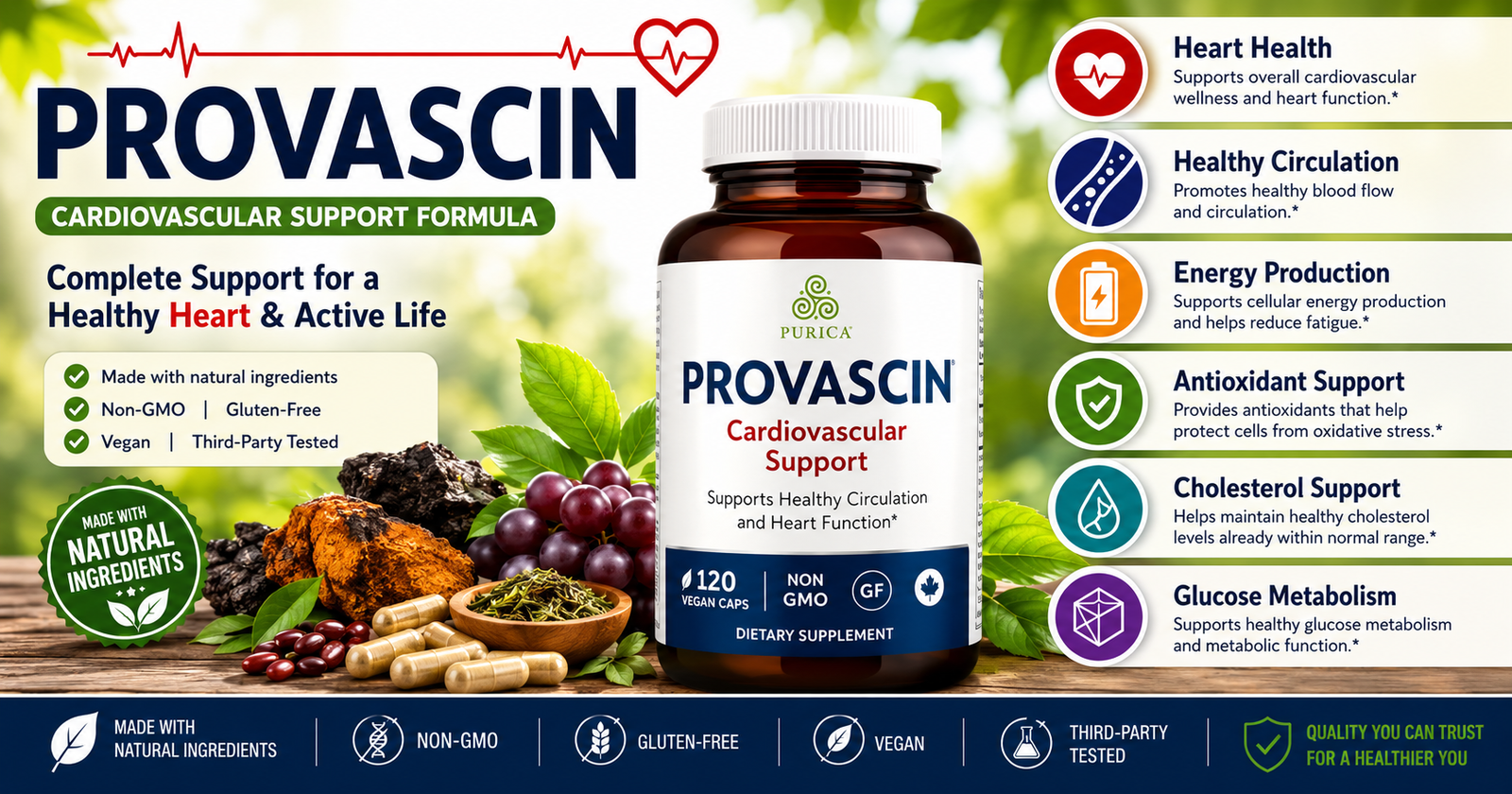
Provascin in 2026: Complete Guide to Benefits, Ingredients, Uses and Side Effects

Published

on

provascin

In the ever-evolving world of sports nutrition and dietary supplements, one name is attracting increasing attention in 2026: Provascin. Originally introduced as a registered trademark for anti-catabolic dietary supplements by The Nutraceutical Medicine Company Inc., Provascin has become associated with muscle preservation, recovery enhancement, lean body mass maintenance, and connective tissue support.

Whether you’re a bodybuilder, athlete, fitness enthusiast, or someone looking to maintain muscle during weight loss or aging, understanding how Provascin works can help you decide if it deserves a place in your supplement routine.

This comprehensive guide explains what Provascin is, how it works, its ingredients, benefits, recommended dosage, possible side effects, and whether it is worth using in 2026.

What Is Provascin

Provascin is a specialized anti-catabolic dietary supplement designed to help reduce muscle breakdown, preserve lean muscle mass, and improve recovery during periods of intense physical stress.

Unlike traditional anabolic supplements, which focus primarily on building new muscle tissue, Provascin works by protecting the muscle you already have. This distinction makes it especially valuable during:

  • Calorie-restricted diets
  • Fat-loss phases
  • Heavy resistance training
  • Endurance sports
  • Recovery from injury
  • Age-related muscle decline (sarcopenia)

The original trademark filing classifies Provascin under Pharmaceutical Products with the description “dietary supplements, namely, anti-catabolic supplements.”

Simply put, whenever your body enters a catabolic state—where it breaks down muscle tissue for energy—Provascin aims to help minimize that muscle loss while supporting recovery and performance.

How Does Provascin Work

To understand Provascin, it’s important to understand muscle catabolism.

During intense workouts, prolonged fasting, dieting, illness, or chronic stress, the body increases production of cortisol, a stress hormone that encourages muscle protein breakdown.

Without sufficient nutrients, your body begins using branched-chain amino acids (BCAAs) stored inside muscle tissue for energy. Over time, this results in:

  • Muscle loss
  • Slower recovery
  • Reduced strength
  • Increased fatigue
  • Lower athletic performance

Provascin works through three major mechanisms:

1. Inhibits Muscle Protein Breakdown

Its anti-catabolic ingredients help reduce the activity of muscle-degrading enzymes while limiting cortisol-induced muscle damage.

Ingredients commonly used for this purpose include:

  • HMB
  • Collagen Type II
  • Chondroitin Sulfate
  • Joint-support nutraceuticals

2. Supports Muscle Protein Synthesis

By maintaining a positive nitrogen balance, Provascin encourages the body to prioritize:

  • Muscle repair
  • Connective tissue recovery
  • Lean muscle preservation

Essential amino acids provide the raw materials needed to repair muscle fibers after exercise.

3. Reduces Oxidative Stress

Intense exercise generates free radicals, leading to inflammation and delayed recovery.

Many Provascin-style formulations include powerful antioxidants such as:

  • Vitamin C
  • Vitamin E
  • Superoxide Dismutase (SOD)
  • L-Ergothioneine

These compounds help reduce oxidative damage and support faster recovery between workouts.

Key Ingredients Found in Provascin-Type Supplements

While formulations may vary depending on the manufacturer, high-quality anti-catabolic supplements in 2026 commonly contain a scientifically supported combination of the following ingredients.

HMB (Beta-Hydroxy Beta-Methylbutyrate)

One of the most extensively researched anti-catabolic nutrients, HMB helps reduce muscle protein breakdown while improving recovery during dieting and intense training.

Branched-Chain Amino Acids (BCAAs)

Including:

  • Leucine
  • Isoleucine
  • Valine

These amino acids support muscle preservation, reduce exercise-induced damage, and promote recovery.

L-Glutamine

Glutamine supports:

  • Muscle recovery
  • Immune function
  • Gut health
  • Reduced muscle loss during physical stress

Essential Amino Acids (EAAs)

EAAs provide all the amino acids required for muscle protein synthesis and lean tissue maintenance.

Whey Protein Peptides

Fast-digesting whey peptides deliver amino acids rapidly, helping muscles recover more efficiently after workouts.

Collagen, Chondroitin & Avocado/Soybean Unsaponifiables (ASUs)

These ingredients provide support for:

  • Cartilage
  • Tendons
  • Ligaments
  • Joint mobility
  • Connective tissue health

Their inclusion reflects the original anti-catabolic research behind connective tissue preservation.

Antioxidants

Powerful antioxidants commonly included are:

  • Vitamin C
  • Vitamin E
  • Superoxide Dismutase (SOD)
  • L-Ergothioneine

These nutrients combat exercise-induced oxidative stress.

Always check the Supplement Facts label to verify ingredient quality, dosage, and purity.

Top Benefits of Provascin in 2026

The popularity of Provascin continues to grow because of its multiple performance and recovery benefits.

1. Preserves Lean Muscle Mass

Its primary advantage is protecting muscle tissue during:

  • Weight loss
  • Fasting
  • Cutting cycles
  • Low-calorie diets

2. Speeds Up Recovery

Reducing muscle damage allows athletes to recover faster and train more consistently.

3. Helps Prevent Overtraining

Frequent high-intensity training increases muscle breakdown.

Provascin supports recovery while reducing the risk of overtraining syndrome.

4. Supports Joint and Connective Tissue

Unlike many muscle supplements, Provascin also targets:

  • Cartilage
  • Ligaments
  • Tendons

This may improve long-term training durability.

5. Improves Body Composition

Maintaining muscle while losing fat helps create a leaner, more athletic appearance.

6. Reduces Fatigue

Available amino acids can support endurance while minimizing muscle exhaustion.

7. Supports Healthy Aging

After age 30, muscle loss naturally accelerates.

Anti-catabolic support may help older adults maintain:

  • Strength
  • Mobility
  • Independence
  • Metabolic health

Who Should Use Provascin

Provascin is not exclusively designed for competitive bodybuilders.

It may be suitable for:

  • Athletes and bodybuilders
  • People following fat-loss programs
  • CrossFit participants
  • HIIT athletes
  • Endurance runners and cyclists
  • Individuals practicing intermittent fasting
  • People following ketogenic diets
  • Adults over 40
  • Individuals recovering after injury or surgery
  • Anyone wanting to preserve lean muscle during stressful periods

Who Should Avoid It?

Unless approved by a healthcare professional, Provascin is generally not recommended for:

  • Pregnant women
  • Breastfeeding mothers
  • Individuals under 18
  • People with kidney disease
  • People with liver disease
  • Individuals with serious medical conditions

Recommended Dosage and Best Way to Take Provascin

The correct dosage depends on the specific brand, but general anti-catabolic supplementation guidelines include:

Training Days

  • 1 serving (3–5 capsules or 1 scoop) approximately 30–45 minutes before exercise
  • 1 serving immediately after training or before bedtime

Rest Days

  • One serving in the morning
  • One serving before bed

For Best Results

  • Drink plenty of water.
  • Consume 1.6–2.2 grams of protein per kilogram of body weight daily.
  • Combine with creatine monohydrate and high-quality whey protein for enhanced muscle support.
  • Follow the manufacturer’s recommended serving size.

More is not necessarily better.

Potential Side Effects and Safety

When used according to label directions, Provascin is generally considered safe for healthy adults because many of its ingredients are naturally occurring amino acids and nutraceutical compounds.

However, some users may experience mild side effects, including:

  • Digestive discomfort
  • Bloating
  • Nausea
  • Minor headaches
  • Tingling sensations (depending on the formula)
  • Allergic reactions in individuals sensitive to soy, milk, or avocado-derived ingredients

Safety Tips

  • Purchase only from reputable manufacturers.
  • Look for third-party testing and GMP-certified production.
  • Avoid products containing hidden stimulants or prohibited substances.
  • Consult your healthcare provider before use if you take prescription medications, including corticosteroids or blood sugar medications.

Final Verdict: Is Provascin Worth It in 2026

For individuals focused on maintaining muscle while losing fat, recovering from intense exercise, or protecting lean body mass during aging, Provascin stands out as one of the most promising anti-catabolic supplements available in 2026.

Unlike standard protein powders or pre-workout supplements that primarily support muscle growth or exercise performance, Provascin focuses on preventing muscle breakdown, making it especially valuable during calorie restriction, endurance training, fasting, and periods of elevated physical stress.

Modern Provascin-inspired formulas often combine HMB, BCAAs, EAAs, glutamine, collagen, antioxidants, and connective tissue-supporting compounds, creating a comprehensive approach to muscle preservation and recovery.

While no dietary supplement can replace a balanced diet, quality sleep, and a well-structured training program, Provascin may provide meaningful support for individuals seeking to protect hard-earned muscle, improve recovery, and maintain long-term physical performance.

Bottom Line

If your goal is to preserve lean muscle, recover faster, reduce muscle breakdown, or support healthy aging, Provascin is a science-informed anti-catabolic supplement worth considering in 2026. Pair it with a protein-rich diet, consistent resistance training, and healthy lifestyle habits for the best possible results.

Disclaimer

This article is intended for informational and educational purposes only and should not be considered medical advice. Provascin is a dietary supplement and is not intended to diagnose, treat, cure, or prevent any disease. Always consult a qualified healthcare professional before starting any new supplement, particularly if you have a medical condition, are pregnant or breastfeeding, or are taking prescription medications.

Continue Reading

Trending