
Sports
Mastering the Greens: The Ultimate Guide to Golf Card Game Rules



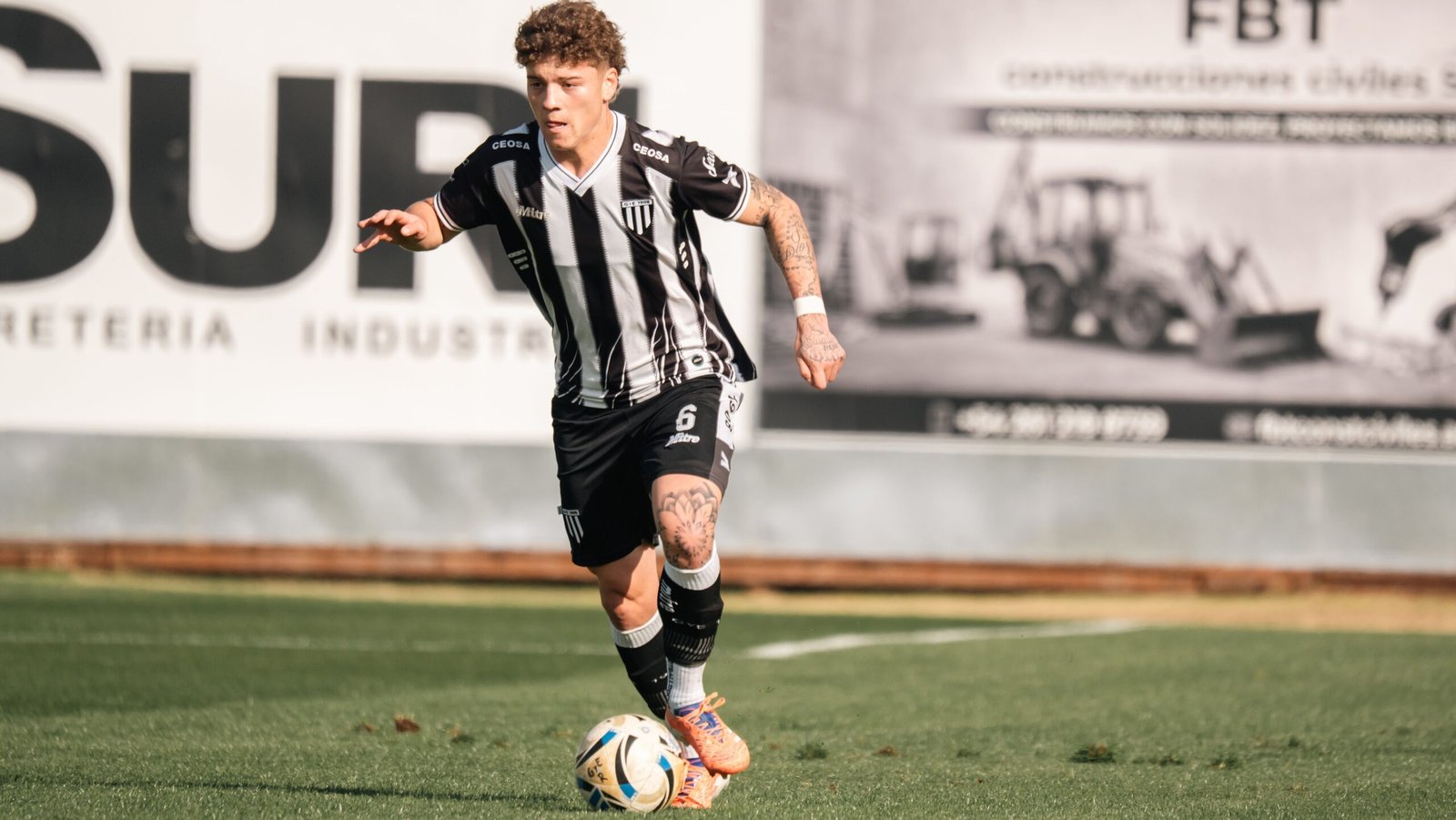
When football fans search for “araujo sporting,” they are generally looking for information about Maxi Araújo, the Uruguayan international who has established himself at Sporting Clube de Portugal. Araújo joined Sporting in August 2024 after developing his career in Uruguay and Mexico, and his versatility has made him an interesting figure in Portuguese football. Although naturally capable of playing on the left side of defence, he can also operate as a left midfielder, wing-back or winger, giving Sporting additional tactical flexibility. His development at the club has also coincided with growing recognition at international level, making the Araujo Sporting search increasingly relevant to supporters following both Sporting CP and Uruguay.
Maxi Araújo has also attracted attention because of the way his performances combine defensive responsibility with attacking ambition. His ability to move forward, contribute to attacks and adapt to different roles means that he is not simply viewed as a conventional full-back. Sporting’s own coverage has highlighted his importance in major matches, while his performances for Uruguay during the 2026 FIFA World Cup further increased his international profile. In June 2026, Araújo scored in Uruguay’s opening World Cup match against Saudi Arabia and then scored and assisted against Cape Verde in the following group game.
Who Is Maxi Araújo?
Maximiliano Javier Araújo Vilches, commonly known as Maxi Araújo, is a Uruguayan footballer born in Montevideo on February 15, 2000. He developed through the Montevideo Wanderers system before moving abroad and eventually making the transition to European football. Araújo spent several years playing in Mexico, including with Puebla and Toluca, before Sporting CP brought him to Portugal in 2024. His journey is particularly interesting because it shows how a player from Uruguay can develop through South American and Mexican football before earning an opportunity at one of Portugal’s biggest clubs.
At Sporting, Araújo has developed a reputation as a versatile left-sided player. His principal position is listed as left-back, while he can also play further forward on the left side. This flexibility is an important part of understanding the Araujo Sporting story because his value does not depend on a single position. A coach can use him as a defender when the team needs defensive balance or push him higher up the pitch when Sporting wants greater attacking width. His left-footed ability and willingness to participate in attacking movements make him particularly suited to systems that rely on energetic wide players.
Araujo Sporting Career
Maxi Araújo officially joined Sporting CP on August 27, 2024, beginning a significant new chapter in his career. Moving to Portugal represented an important step because Sporting competes regularly at a high level domestically and in European competitions. The club has also developed a reputation for giving talented players opportunities to establish themselves at the highest level, making the move an important part of Araújo’s progression from a promising South American footballer into an established European player. His contract is currently listed through June 2029, demonstrating the long-term nature of Sporting’s commitment to the player.
Since arriving in Lisbon, Araújo has become increasingly important to Sporting’s squad. His ability to contribute from the left side gives the team tactical options, particularly in matches where Sporting needs a player capable of transitioning quickly between defence and attack. His performances have also received attention in major European fixtures. Ahead of Sporting’s Champions League quarter-final against Arsenal in April 2026, Araújo spoke publicly about the importance of the supporters and expressed confidence that Sporting could compete with the English side on equal terms.
Maxi Araújo Position and Playing Style
One of the most interesting aspects of Maxi Araújo Sporting is his positional versatility. Although his primary role is generally associated with left-back or left wing-back, his skills allow him to operate higher up the pitch. This means that his role can change depending on Sporting’s tactical system, the opponent and the demands of an individual match. A player who can comfortably contribute in multiple positions can be extremely valuable over a long season because it provides the coaching staff with additional options when building a starting lineup or changing the shape during a match.
Araújo’s playing style is particularly suited to an attacking approach in which wide players are expected to provide width and support forward movements. He can carry the ball into advanced areas, combine with teammates and look for opportunities to create danger around the opposition penalty area. At the same time, his experience as a defender means he understands the importance of recovering his position when possession is lost. This combination of attacking energy and positional flexibility helps explain why Araujo Sporting has become a useful search term for people trying to understand his growing importance at the Portuguese club.
Maxi Araújo and Uruguay
Araújo’s development at Sporting has also strengthened his profile with the Uruguay national team. His international career represents another important part of his story because Uruguay has a long tradition of producing technically strong and highly competitive footballers. Araújo has become one of the players capable of offering Uruguay energy and versatility on the left side, and his ability to play both defensively and offensively provides another tactical option for the national team.
His performances at the 2026 World Cup provided a particularly strong example of his attacking influence. In Uruguay’s opening match against Saudi Arabia, Araújo scored in the 80th minute to secure a 1–1 draw. He followed that performance with another goal against Cape Verde, while also providing an assist as Uruguay drew 2–2. Sporting’s official reports described him as a dynamic and influential player during the Cape Verde match, underlining how his club form had translated onto the international stage.
Why Araujo Sporting Is an Important Search
The phrase “araujo sporting” connects two important parts of the player’s identity: Maxi Araújo and Sporting CP. Search interest around the term can be explained by the player’s increasing visibility in Portuguese football, European competition and international football. People searching the phrase may want basic information about his biography, while others may be looking for his position, statistics, contract situation, performances or transfer developments. A comprehensive article therefore needs to address more than just his name and current club.
Another reason interest in Araújo has grown is the attention surrounding his future. During 2026, reports linked him with interest from clubs outside Portugal, particularly in England and Spain. These reports should be treated as transfer speculation rather than confirmed moves unless a club officially announces a transfer. Current reporting has nevertheless shown that his performances have attracted attention from major European clubs, illustrating how his Sporting career has increased his market profile.
Maxi Araújo’s Development at Sporting
The move to Sporting has given Araújo an opportunity to develop in an environment where domestic success and European competition come together. Playing for a major Portuguese club requires consistency because the season contains league fixtures, cup matches and European challenges. For a versatile player like Araújo, this environment can be particularly valuable because it allows him to gain experience in different tactical situations while facing opponents with different styles.
His development can also be viewed through the increasing importance of his attacking contributions. Rather than being restricted to defensive duties, Araújo has demonstrated an ability to influence games in the final third. This quality was particularly visible during his 2026 World Cup performances, when he scored twice in Uruguay’s first two group matches and contributed an assist against Cape Verde. His ability to make an impact in important matches has helped transform him from a promising Sporting signing into a player receiving considerably wider international attention.
Araujo Sporting Stats and Career Profile
When discussing Araujo Sporting stats, it is important to distinguish between statistics from different seasons and competitions because appearances, goals and assists can change throughout a campaign. Player databases currently list Araújo as a left-footed player, 1.76 metres tall, with Sporting CP as his club and Uruguay as his international team. His Sporting contract is listed as running until June 2029, while his profile also identifies left-back as his principal position and left midfield and left wing as additional roles.
Rather than judging Araújo exclusively through goals and assists, his overall contribution should be considered. A modern wide defender can influence matches through ball progression, overlapping runs, pressing, defensive recovery, chance creation and movement without the ball. Araújo’s versatility means that his tactical contribution can sometimes be more important than a simple statistical total. For readers researching Maxi Araújo Sporting, understanding this broader role gives a better picture of why he has become valuable to both his club and country.
Araujo Sporting and Transfer Interest
Transfer speculation has become another major part of the conversation surrounding Araujo Sporting. His performances have reportedly attracted interest from clubs in several European leagues, with Arsenal, Liverpool, Atlético Madrid and other teams being mentioned in various reports. Such stories demonstrate the level of attention surrounding him, but transfer rumours should always be separated from confirmed information. Unless Sporting, the player or the buying club officially confirms an agreement, reports about possible transfers remain part of the wider football transfer market rather than established facts.
Sporting’s position is also important when considering his future. Araújo’s existing contract provides the Portuguese club with significant leverage, and player-profile sources list an €80 million release clause. Reports in July 2026 also indicated that Sporting wanted to retain Araújo and was considering an improved contract, although these developments should be distinguished from officially confirmed contractual announcements.
What Makes Maxi Araújo Valuable?
The biggest strength of Maxi Araújo is arguably his versatility. Football teams increasingly value players who can perform multiple roles because modern matches often require tactical changes within the same 90 minutes. Araújo can contribute from defensive positions while also possessing the attacking instincts necessary to play farther forward. This makes him useful when Sporting wants to change its approach without necessarily making a substitution.
His experience across different football environments is another advantage. Araújo developed in Uruguay, gained significant professional experience in Mexico and then moved to Portugal, where he has competed at a higher European level. Every stage of that journey has contributed something different to his development. The combination of technical ability, physical intensity, tactical adaptability and international experience has helped him become a recognizable name in European football.
Maxi Araújo’s Future at Sporting
The future of Maxi Araújo at Sporting CP is one of the more interesting questions surrounding the player. On one hand, his performances and international profile could make him attractive to clubs with greater financial resources. On the other hand, Sporting has a strong incentive to retain a versatile player who has become an important part of its squad. Recent reports in Portugal have suggested that the club wants to keep him and is exploring improved contract terms, which indicates that Sporting values his continued presence.
Whatever happens in the transfer market, Araújo’s trajectory has already been impressive. He moved from Montevideo Wanderers through Mexican football before arriving in European football with Sporting, and his international performances have further increased his reputation. If he continues developing his defensive consistency while maintaining his attacking contribution, he could remain an important player for Sporting and Uruguay for years to come.
Conclusion
The story behind Araujo Sporting is ultimately the story of Maxi Araújo’s rapid development from a young Uruguayan footballer into an established Sporting CP and Uruguay international player. His journey through Uruguay and Mexico prepared him for the challenge of European football, while his versatility has allowed him to become an important option on Sporting’s left side. Since joining the Portuguese club in 2024, he has continued to develop his game and demonstrate that he can influence matches in both defensive and attacking areas.
His performances for Uruguay at the 2026 World Cup further demonstrated his growing importance, with goals against Saudi Arabia and Cape Verde and an assist in the latter match. At the same time, reported interest from clubs around Europe shows how quickly his reputation has expanded. For anyone searching for Araujo Sporting, the key takeaway is that Maxi Araújo is more than simply a left-back: he is a versatile modern footballer whose Sporting career, international performances and potential future have made him a player worth following.
Frequently Asked Questions About Araujo Sporting
Who is Araujo at Sporting?
Maxi Araújo is a Uruguayan international footballer who plays for Sporting CP. His primary position is left-back, although he can also operate as a left midfielder or winger. He joined Sporting in August 2024.
What is Maxi Araújo’s full name?
His full name is Maximiliano Javier Araújo Vilches. He was born in Montevideo, Uruguay, on February 15, 2000.
What position does Maxi Araújo play?
Araújo is primarily a left-back, but he is also capable of playing as a left midfielder, wing-back or left winger. This versatility is one of his most notable qualities.
When did Maxi Araújo join Sporting CP?
Maxi Araújo joined Sporting CP on August 27, 2024, after previously developing his career in Uruguay and Mexico.
Is Maxi Araújo an Uruguay international?
Yes. Araújo represents Uruguay at international level and has become an increasingly important player for the national team. He also scored in Uruguay’s first two matches of the 2026 World Cup.
How long is Maxi Araújo contracted to Sporting?
Current player-profile information lists Araújo’s Sporting contract through June 30, 2029, with an €80 million release clause reported in the same profile.
Why is Maxi Araújo attracting transfer interest?
His versatility, attacking contribution and performances for Sporting and Uruguay have reportedly attracted attention from clubs in other European leagues. However, individual transfer reports should be treated as rumours unless officially confirmed.
What is Maxi Araújo known for?
Araújo is particularly known for his versatility, attacking movement, left-footed ability and energy. His capacity to contribute in several positions makes him a valuable tactical option for both Sporting CP and Uruguay.
Is “Araujo Sporting” the same as “Maxi Araújo Sporting”?
In most football-related searches, “Araujo Sporting” refers to Maxi Araújo and his connection with Sporting CP. Using both phrases naturally in an article can help cover different ways readers search for information about the player.

Alexee Trevizo: Biography, Case, Background, Timeline, and Latest Legal Updates

Goonies Cast: Complete Guide to The Goonies Cast and Characters

Gina Carano Biography: MMA Career, Movies, and Life Story

LogicalShout: The Ultimate Guide to Data-Driven Digital Marketing, Tech Insights & Proven Growth Strategies

Joanna Sturm: The Historian Who Preserved the Legacy of Alice Roosevelt Longworth

93.3 Contest: Your Ultimate Guide to Winning Big on the Radio
 Tech4 months ago
LogicalShout: The Ultimate Guide to Data-Driven Digital Marketing, Tech Insights & Proven Growth Strategies
- News4 months ago
Joanna Sturm: The Historian Who Preserved the Legacy of Alice Roosevelt Longworth
- Business4 months ago
93.3 Contest: Your Ultimate Guide to Winning Big on the Radio
- Tech4 months ago
Pasonet: The Digital Phenomenon Shaping Modern Connectivity, Business, and Culture
- Business3 months ago
Afdah Shut Down: Is It Safe and Legal in 2026? Top Legal Alternatives
- Crypto3 months ago
BFS Coin Complete Guide 2026: Price, Legitimacy, Tokenomics & Future Outlook
- Fashion4 months ago
Literoticatags: Your Ultimate Guide to Navigating Erotic Literature with Precision and Pleasure
- Business3 months ago
Wooflix: The Ultimate Guide to the Multi-Faceted Brand